



Frequently Asked Questions
What are stack and nest crates?
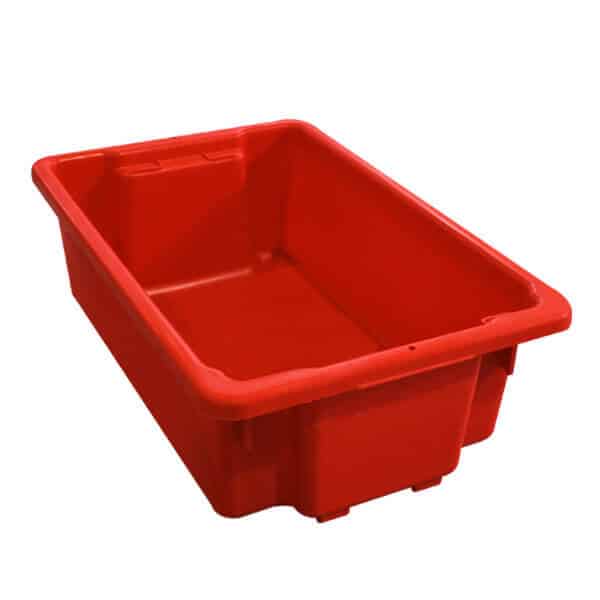
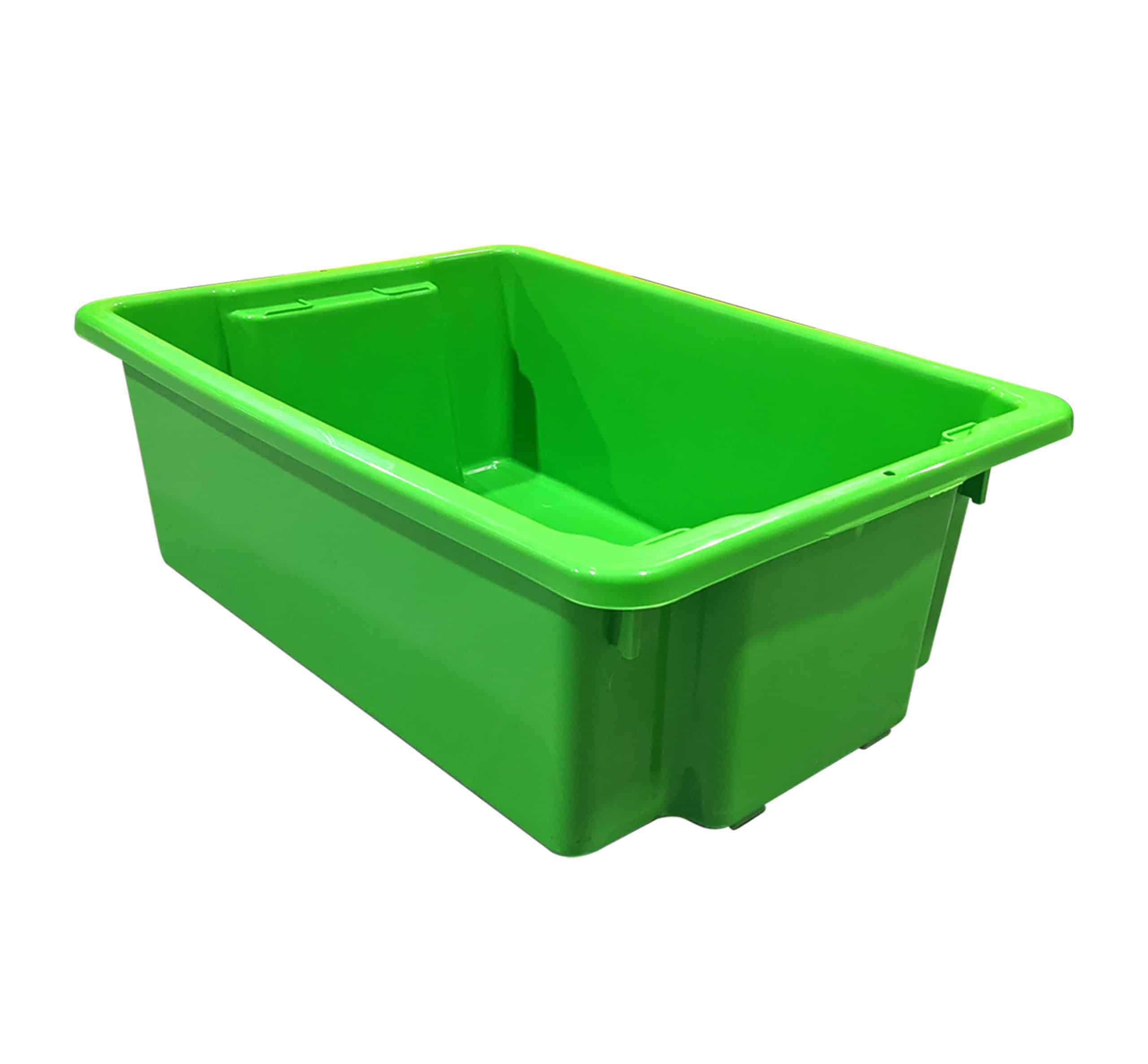
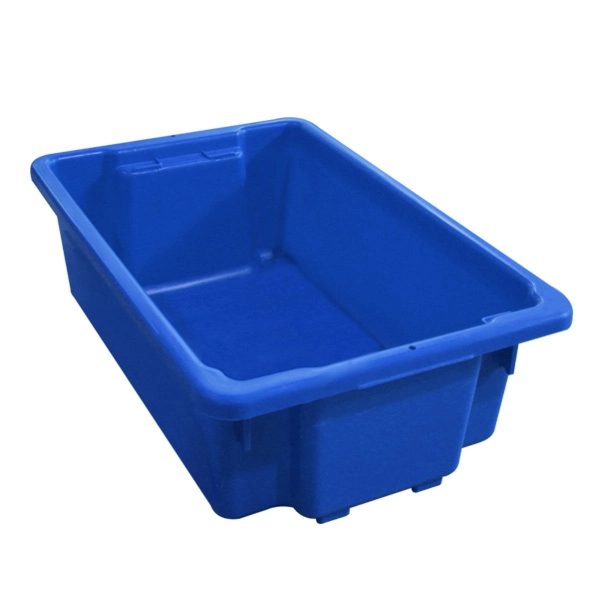
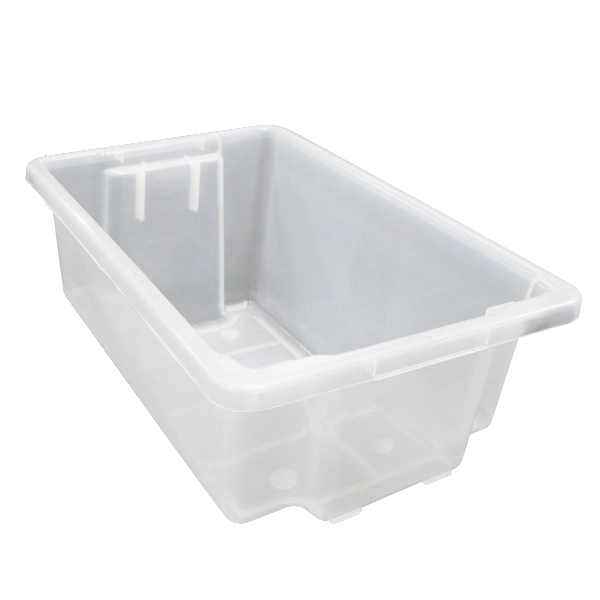
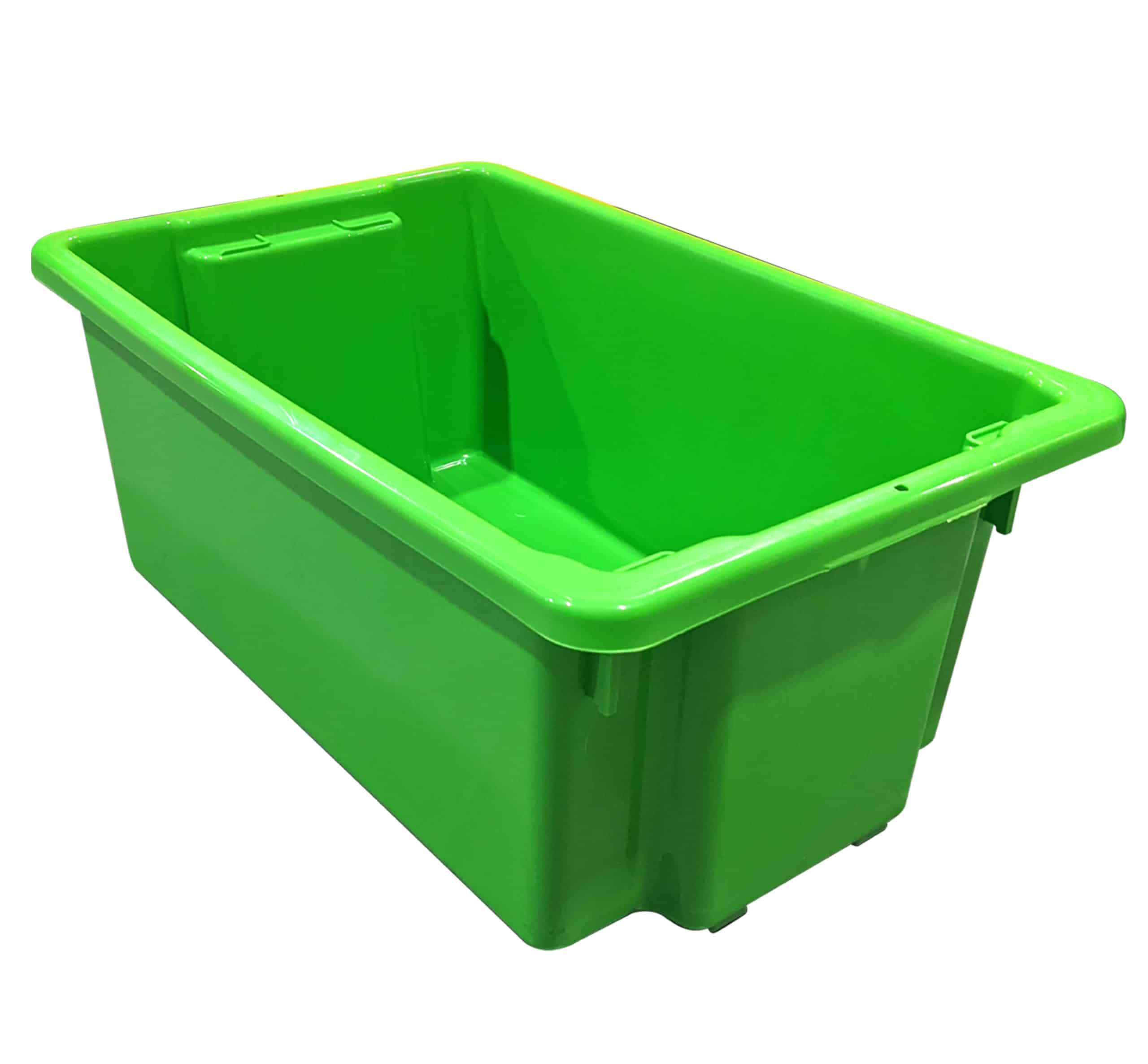
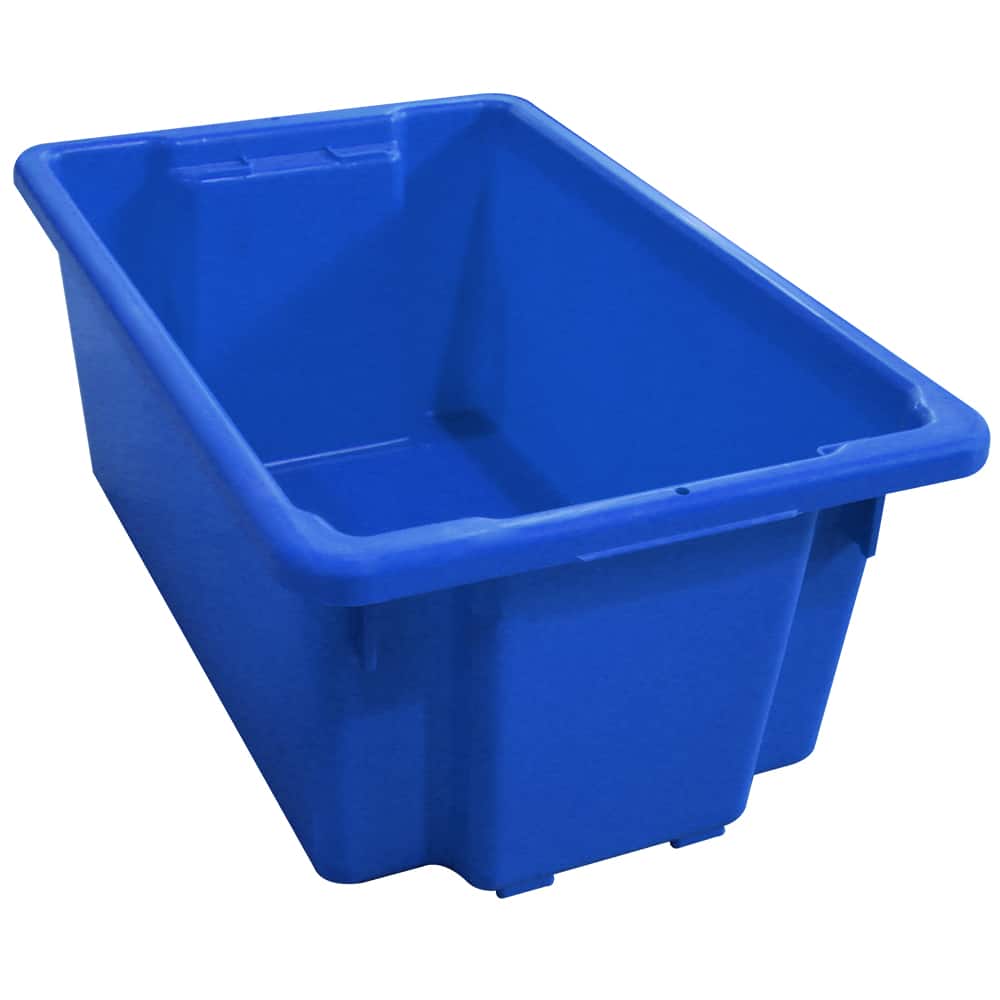
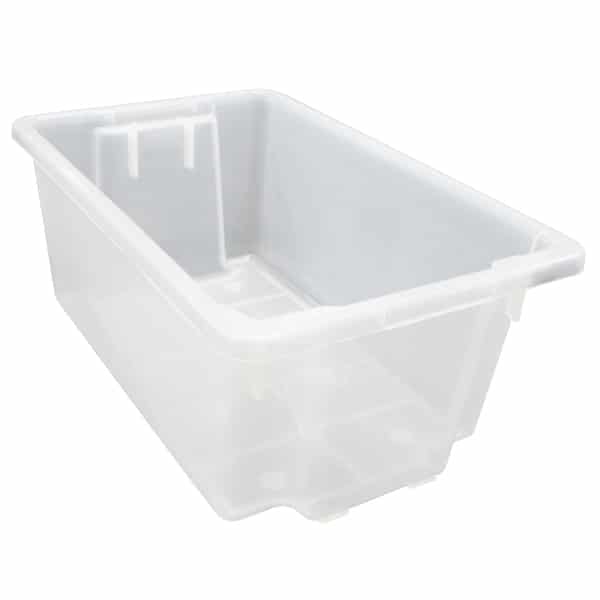
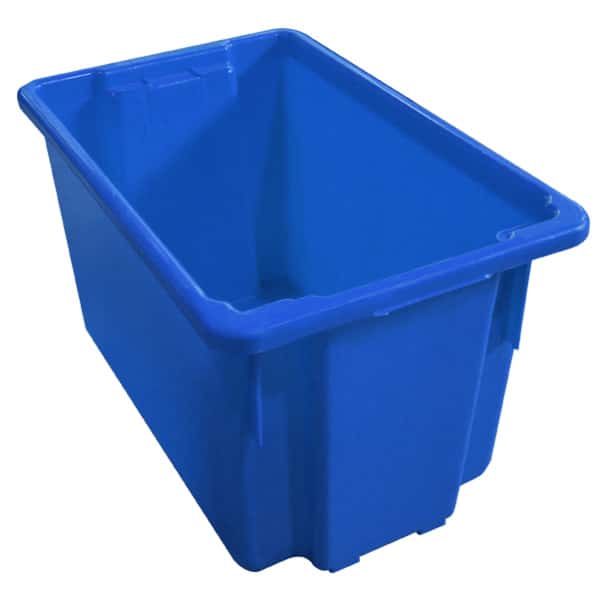
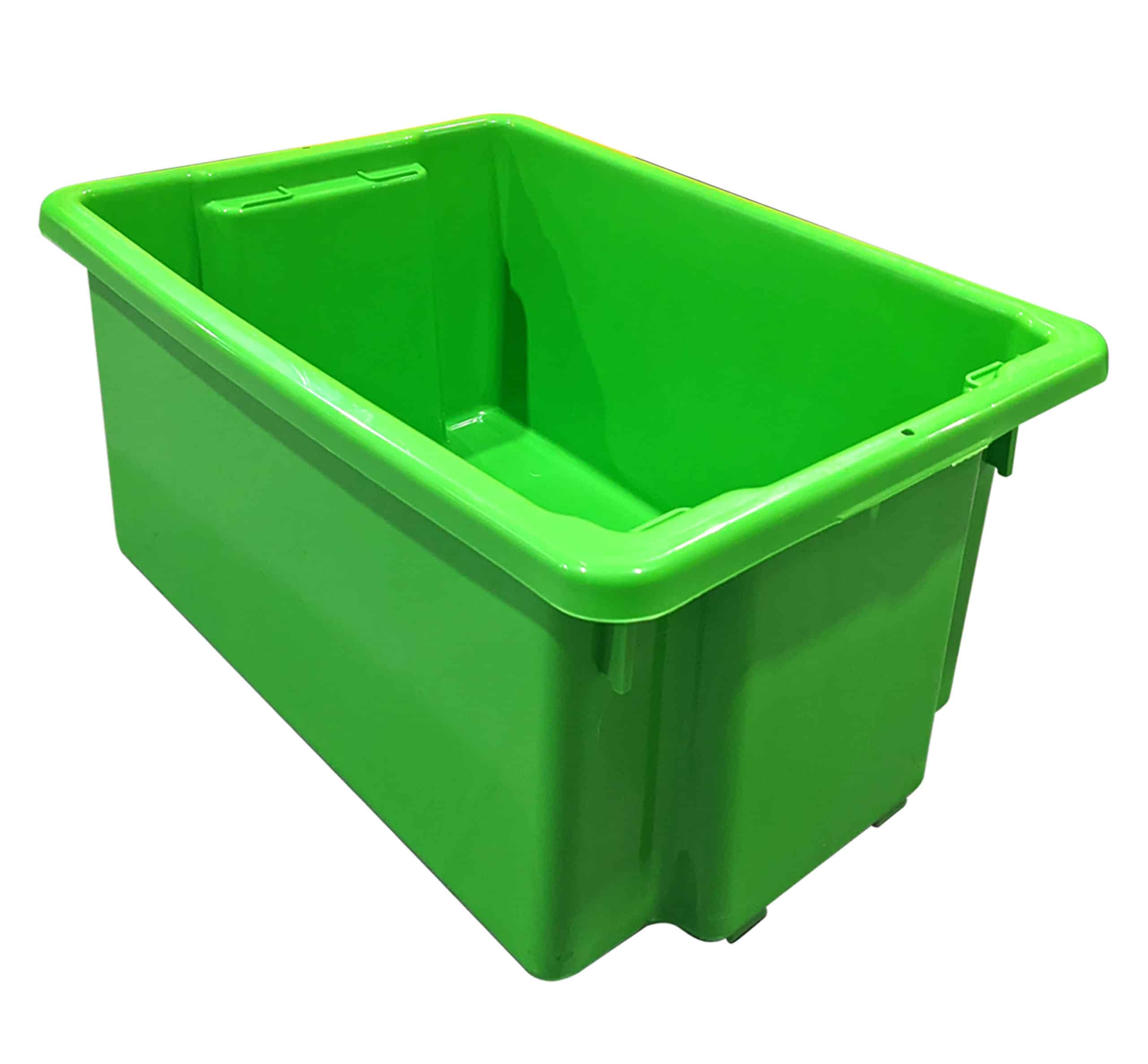
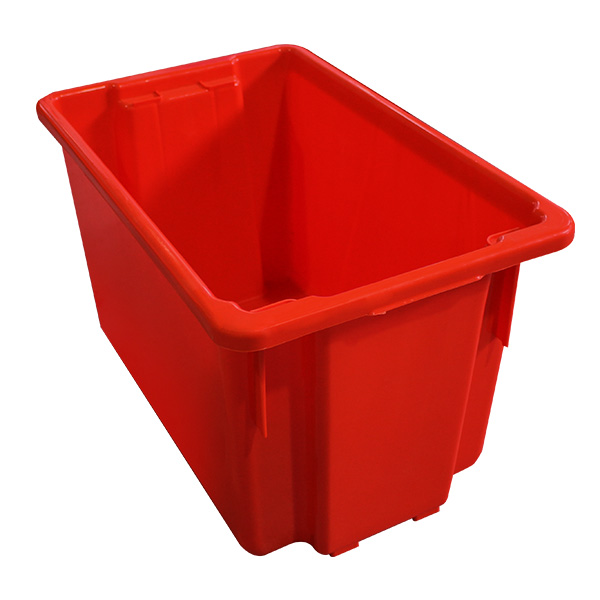
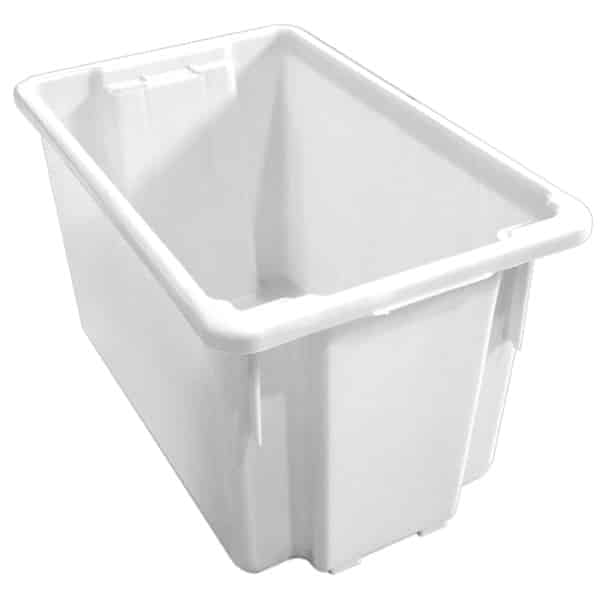
Stack and nest crates are durable plastic storage containers designed with dual functionality. When in use, they stack securely on top of each other to maximise vertical storage space. When empty, they can be rotated or positioned to nest inside one another, significantly reducing the space they occupy. This makes them ideal for warehouses, distribution centres, retail backrooms, and food handling environments where space efficiency is important.
How do stackable storage containers save space?
Stackable storage containers help optimise space by allowing users to build upward rather than outward when storing goods. This reduces the need for additional floor space in busy environments. When not in use, many designs can nest inside each other, cutting down empty storage volume by a significant margin. This dual-purpose design makes them highly efficient for businesses managing fluctuating inventory levels.
Are stackable plastic crates food grade?
Many stackable plastic crates are manufactured from food-grade polypropylene, making them suitable for use in food processing, storage, and distribution. These materials are designed to be hygienic, easy to clean, and resistant to moisture and contaminants. However, food-grade suitability can vary depending on the specific product, colour, and manufacturing standards, so it’s important to confirm specifications for your intended use.
Do stackable crates come with lids?
Yes, many stackable crates have compatible lids available, either as separate accessories or as part of a complete system. Lids help protect contents from dust, moisture, and damage during storage or transport. Some lids are designed to clip or lock into place for added security, making them especially useful in logistics, warehousing, and distribution applications.
What is the difference between plastic crates and plastic tubs?
The terms plastic crates and plastic tubs are often used interchangeably, but there can be subtle differences. Crates typically refer to more rigid, industrial-grade containers designed for stacking, transport, and heavy-duty use. Tubs, on the other hand, may refer to similar containers used in food handling or general storage, sometimes with smoother interiors or specific shapes suited to particular applications. The choice usually depends on the intended use and required durability.
Can stackable crates be used for transport?
Yes, stackable crates are widely used in transport and logistics due to their strength, stability, and ease of handling. When combined with lids, dollies, or pallets, they provide a secure and efficient way to move goods while minimising the risk of damage. Their stackable design also helps maximise vehicle space, making them a cost-effective solution for distribution and supply chain operations.
Stackable Storage Containers & Stack Nest Plastic Crates
Richmond’s stackable storage containers and stack & nest plastic crates are designed for efficient storage, handling, and transport across warehousing, food service, logistics, and manufacturing environments. Built from durable polypropylene, they stack securely when full and nest when empty to help reduce storage space. Explore more options in our plastic crates range.
Stackable Plastic Crates for Warehousing, Food Handling & Transport
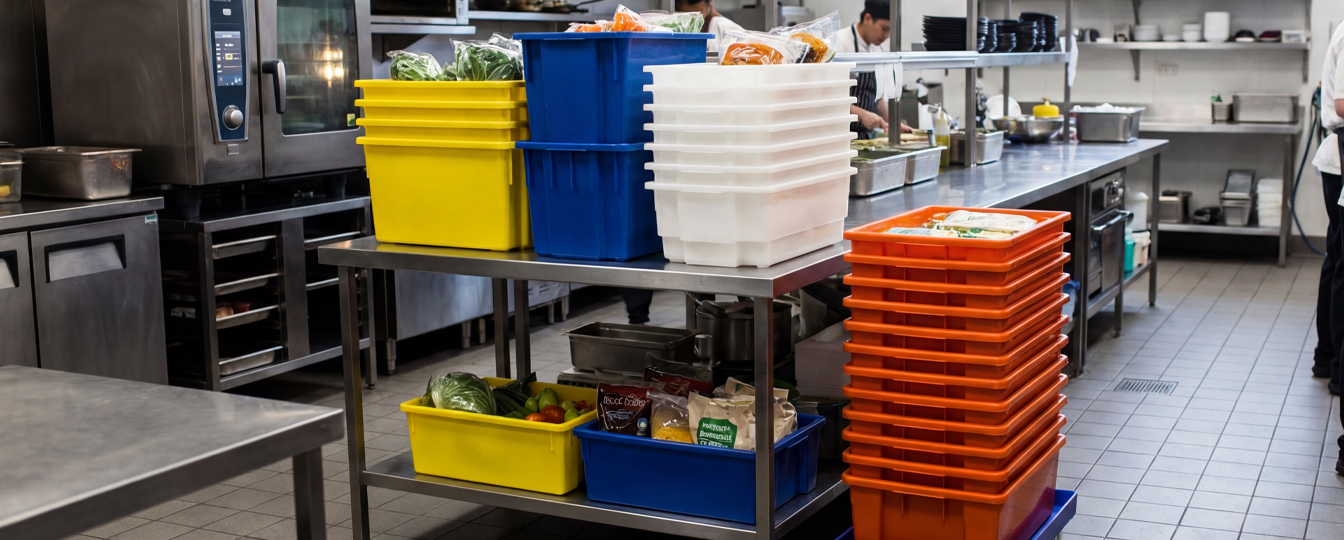
These stackable plastic crates are used across a wide range of industries where reliable storage and handling are required. Their practical design makes them suitable for:
- Warehousing and order picking
- Food processing, hospitality, and commercial kitchens
- Logistics, freight, and transport operations
- Manufacturing and workshop environments
- Retail back-of-house storage and stock handling
- Produce, bakery, seafood, and general storage
This versatility makes them a practical solution for businesses requiring durable storage crates that perform across multiple applications.
How Stack & Nest Crates Work
Stack and nest crates are designed to perform two key functions. When loaded, crates can be rotated into the stacking position so they sit securely on top of each other without damaging the contents below. When empty, they can be rotated 180° into the nesting position, allowing each crate to fit inside the next and significantly reduce storage space.
This dual-purpose design makes them suitable for operations where both storage efficiency and transport practicality are important.
Stackable Storage Bins with Lid and Dollie Options
Richmond’s stackable storage bins are available with compatible lid options to help protect contents during storage and transport. Lids feature secure tab fittings to keep them in place during handling.
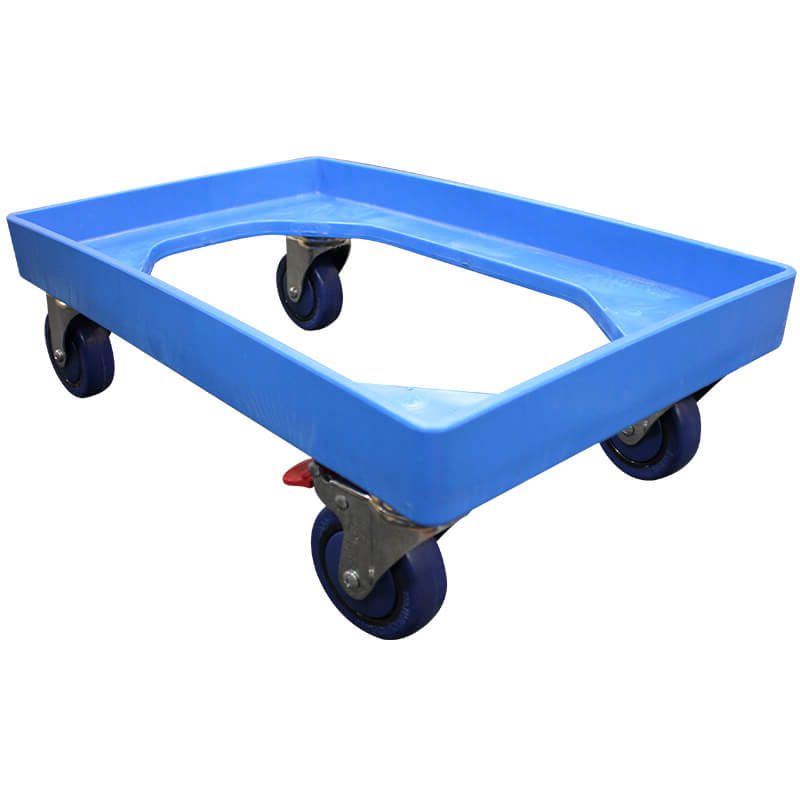
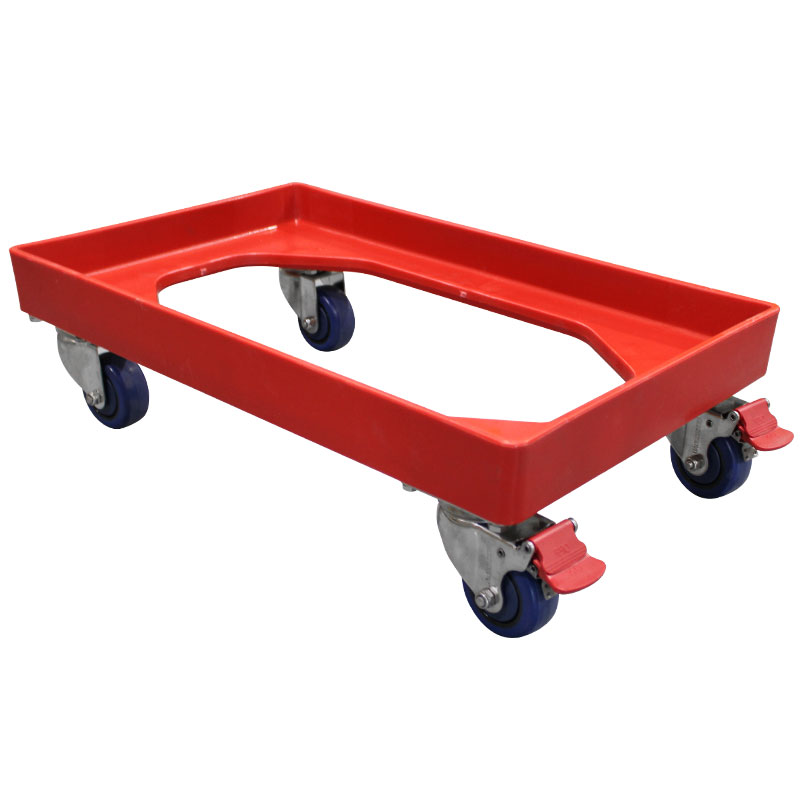
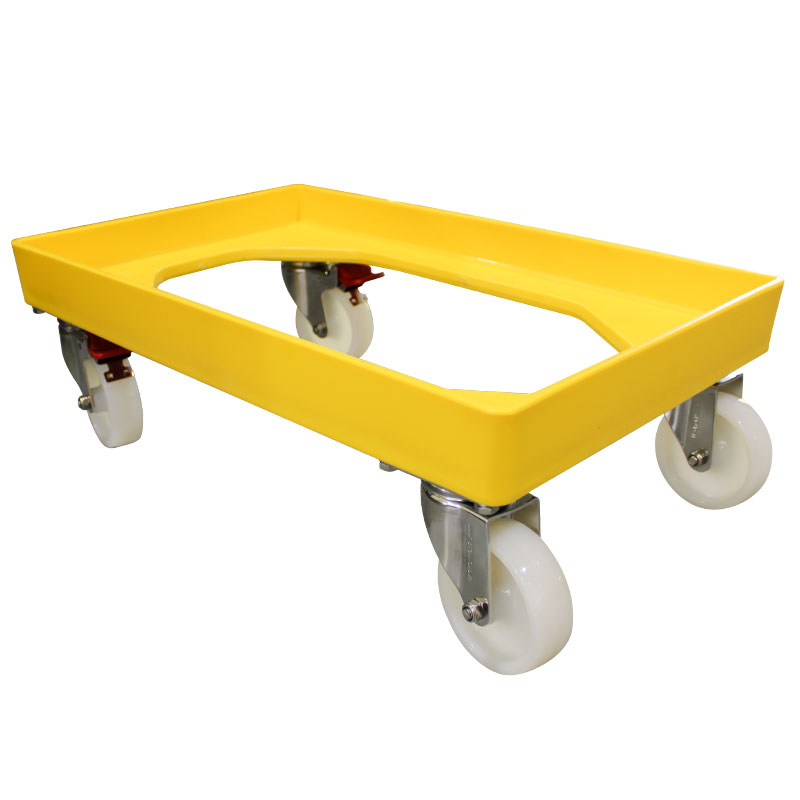
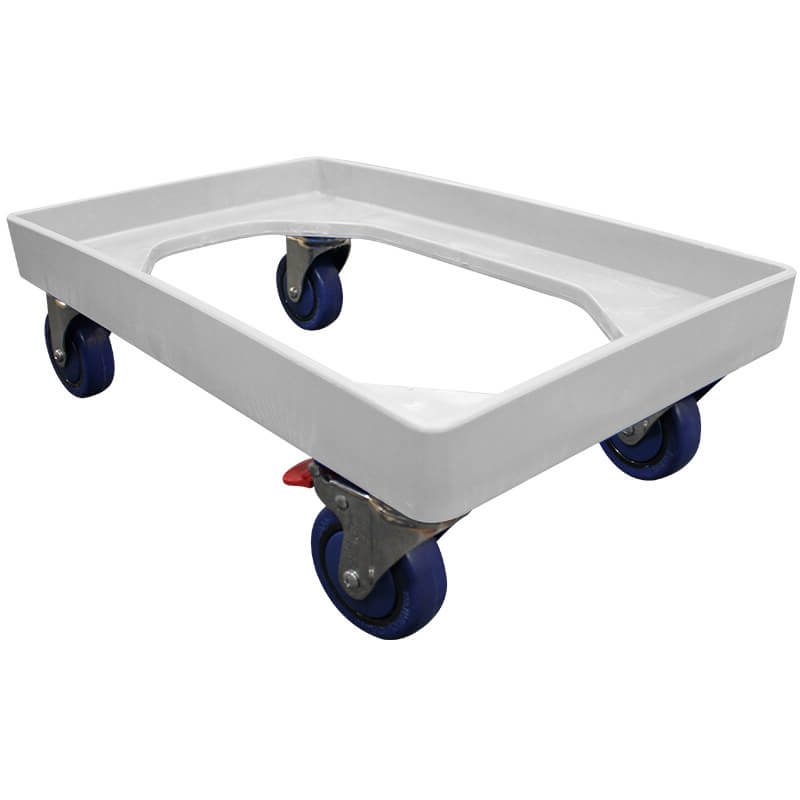
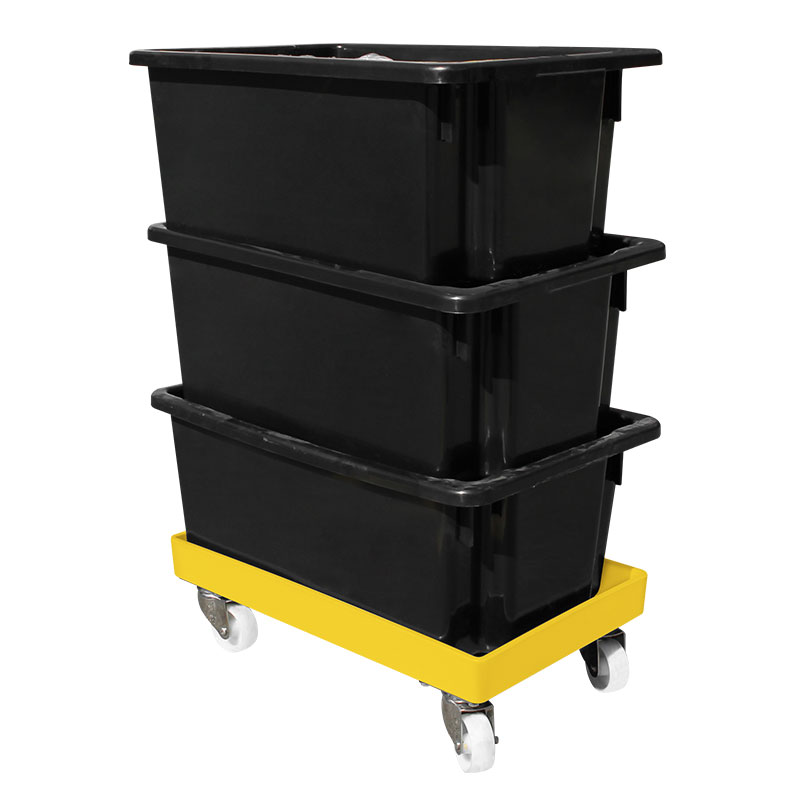
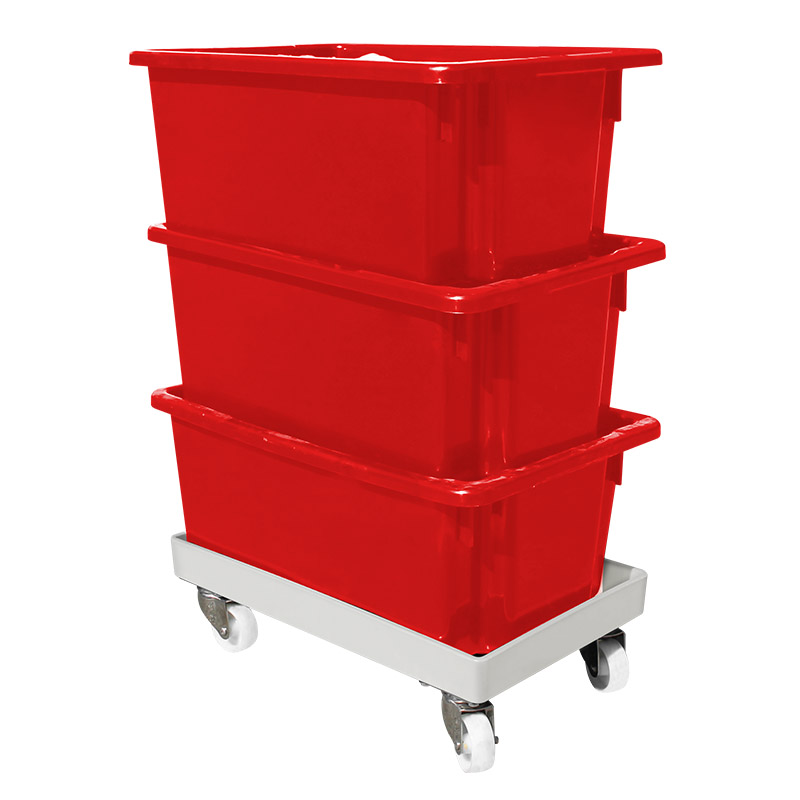
For improved mobility, stack & nest crates can also be used with a matching crate dollie, allowing loaded containers to be moved safely and efficiently across warehouses, production areas, and dispatch zones. View related materials handling solutions for transport and mobility options.
Food-Grade Stackable Plastic Tubs
Many Richmond stackable plastic tubs are manufactured from food-grade polypropylene, making them suitable for use in food handling, preparation, and storage environments. Their smooth surfaces and durable construction support repeated use in demanding conditions.
These stackable tubs are commonly used in hospitality, food processing, and agricultural applications where hygiene and reliability are required. You can also explore our broader plastic tubs and containers range.
Choosing the Right Stackable Crate
Selecting the right stackable crate depends on your application and how the containers will be used. Key factors to consider include:
- Required capacity and overall size
- Stacking strength when loaded
- Nesting efficiency when empty
- Solid or vented crate design for airflow
- Compatibility with lids and dollies
- Food-grade requirements
- Handling method: manual, trolley, or dollie
- Colour coding for organisation or workflow
Choosing the correct crate ensures efficient storage, safer handling, and better use of available space. If you require a tailored solution, Richmond also offers custom engineering services to support specialised applications.
Key Features
- Stackable and nestable design for space efficiency
- Durable polypropylene construction
- Available in multiple sizes and configurations
- Food-grade options available
- Compatible lids and transport dollies
- Suitable for industrial and commercial use
Common Applications
- Warehouse storage and order picking
- Food preparation and ingredient handling
- Transport and logistics operations
- Retail stock organisation
- Manufacturing parts storage
- Agricultural and produce handling
These stackable storage containers are used across industries where durability, organisation, and efficient space usage are required.