



Frequently Asked Questions
What is an electric tug?
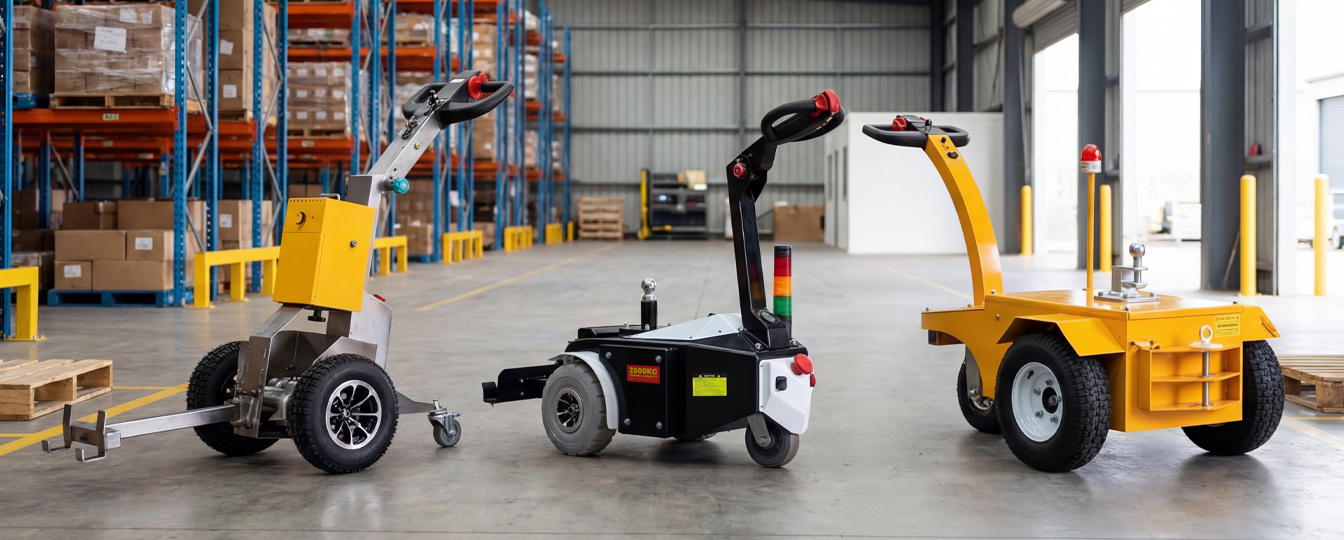
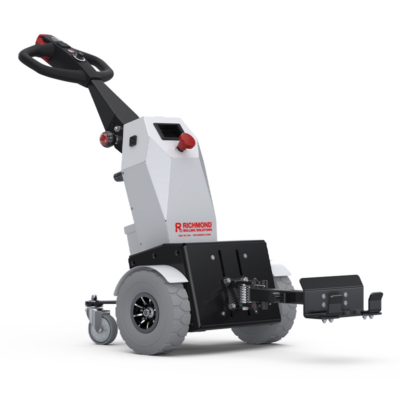
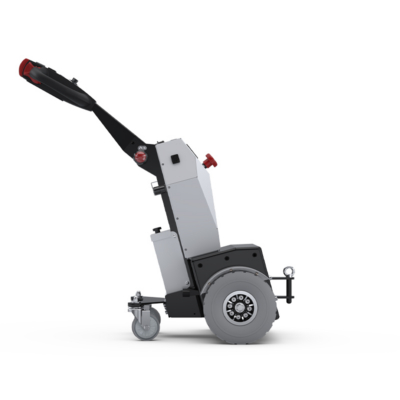
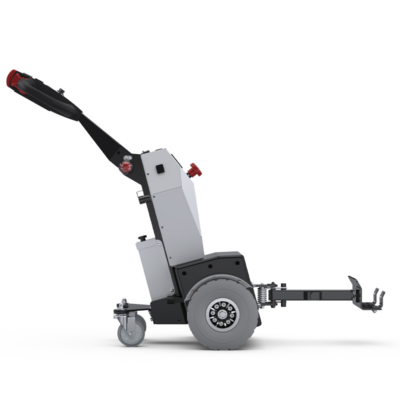
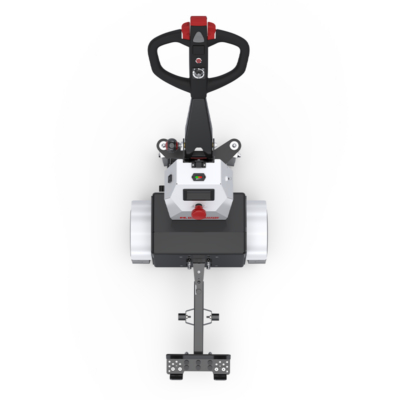
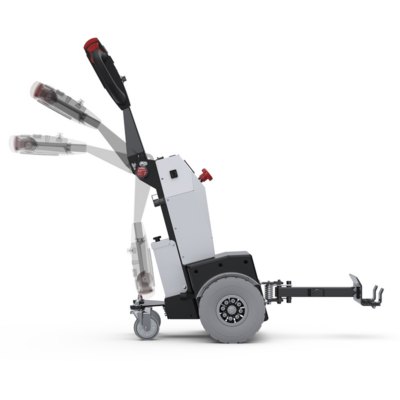
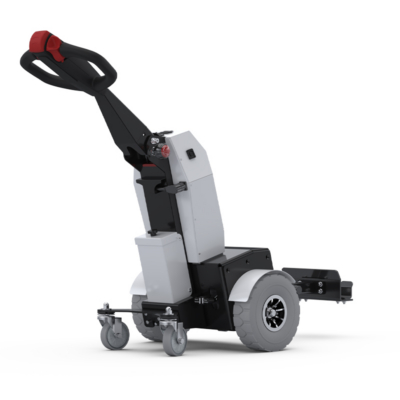
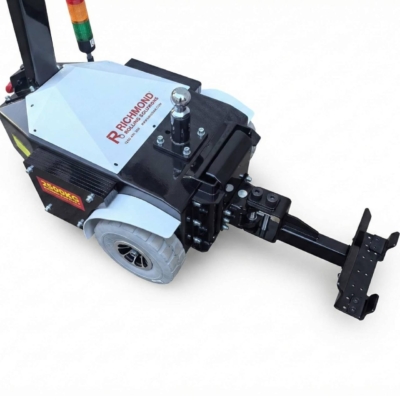
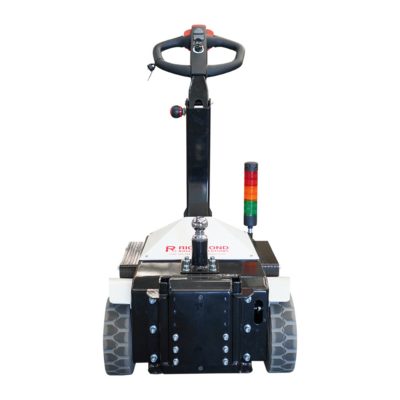
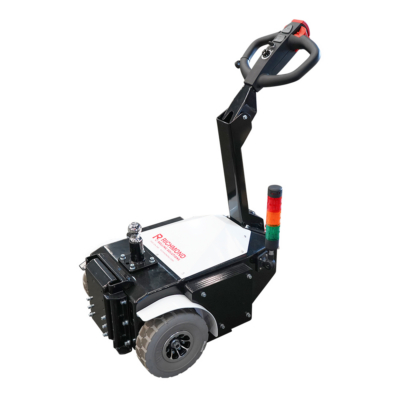
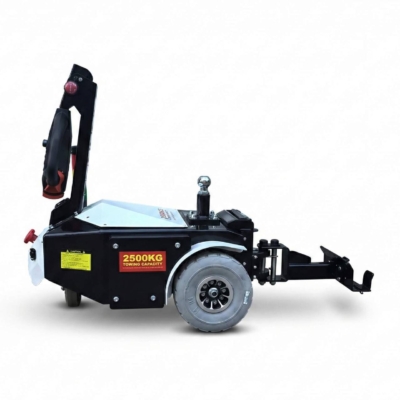
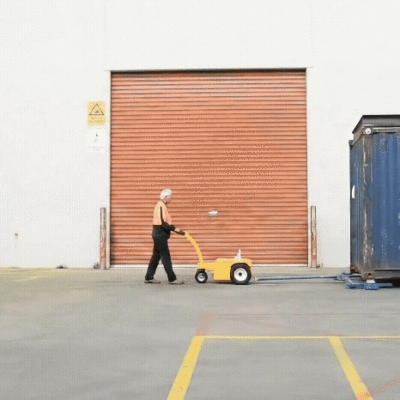
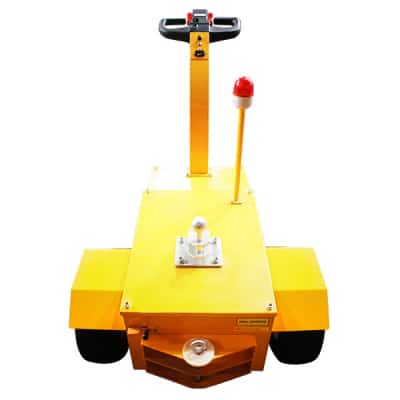
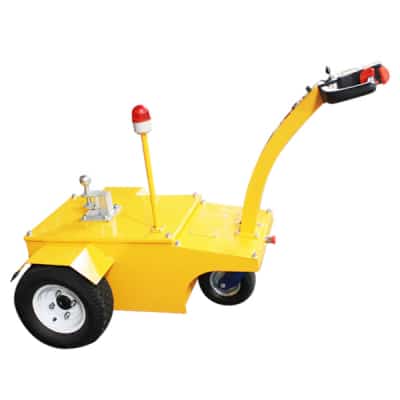
An electric tug is a battery-powered material handling solution designed to move heavy loads mounted on wheels. These machines are typically pedestrian-operated, allowing an operator to safely control movement without manual pushing or pulling. Richmond’s electric tugs are built for controlled load movement across industrial environments, using powered drive systems to reduce physical strain and improve handling efficiency.
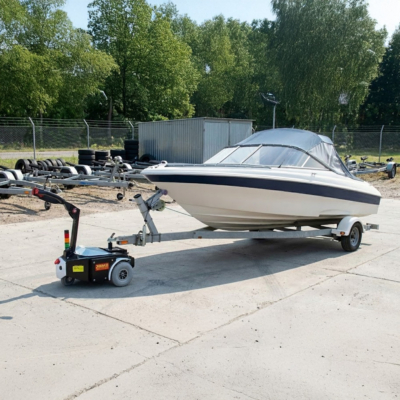
Unlike lifting equipment, electric tugs are designed specifically for towing or pushing applications. They connect to existing wheeled equipment such as trolleys, carts, stillages, or specialised load platforms. This makes them a practical solution where loads are already mobile but difficult or unsafe to move manually. Their compact design allows them to operate in confined spaces such as production areas, warehouses, and workshops.
Electric tugs are widely used across industries including manufacturing, logistics, healthcare, and facilities management. They provide a consistent and controlled way to move loads while reducing reliance on forklifts or manual handling. For operations requiring repeatable movement of heavy items, electric tugs offer a reliable and scalable solution.
How do electric tugs work?
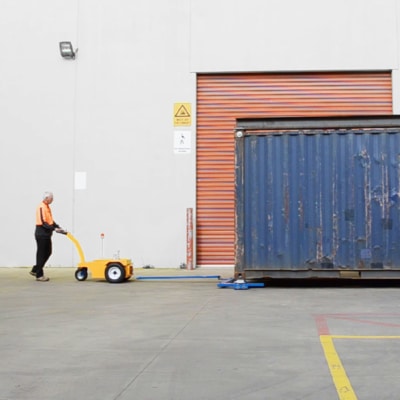
Electric tugs operate by connecting securely to a wheeled load and applying controlled drive force through a powered wheel system. Once attached, the tug uses its motor and drive mechanism to either pull or push the load, depending on the configuration. This allows a single operator to move loads that would otherwise require multiple people or mechanical lifting equipment.
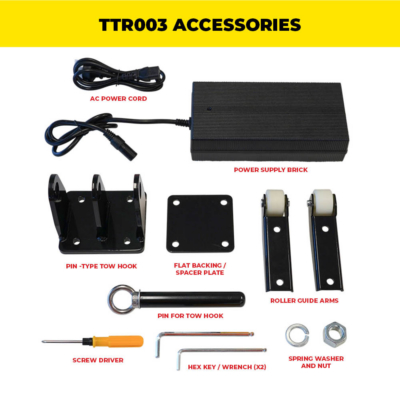
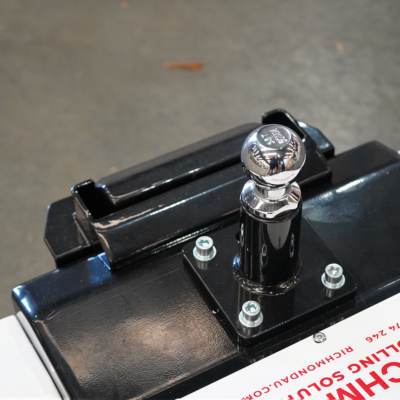
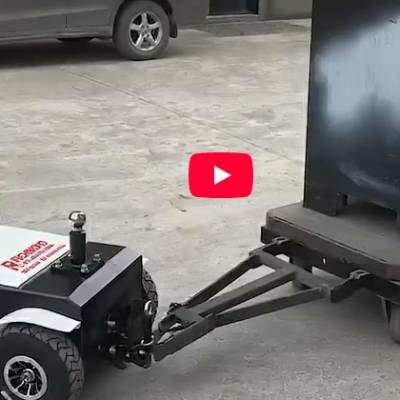
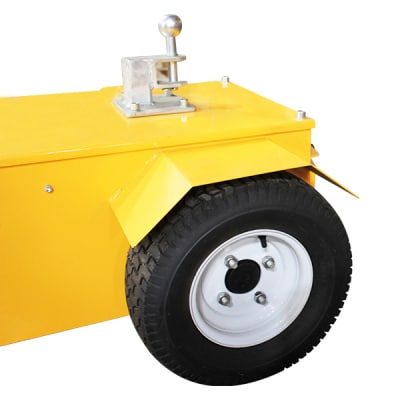
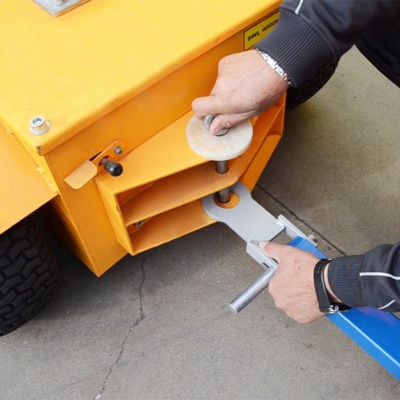
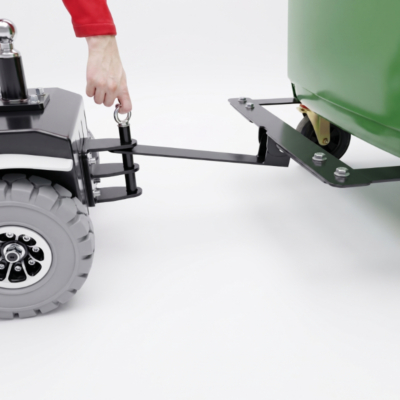
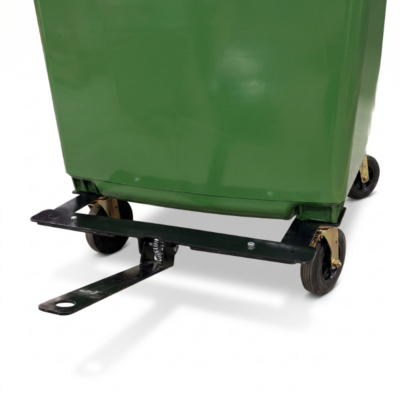
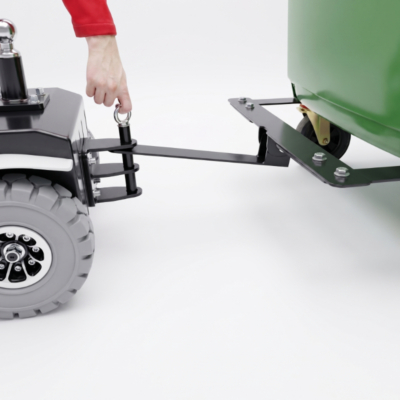
Connection methods vary depending on the application and may include coupling systems designed to suit trolleys, cages, or custom load frames. A secure connection is essential to ensure safe movement and consistent control. Many electric tugs are designed to maintain traction by optimising weight distribution through the drive wheel, allowing effective movement even with heavy loads.
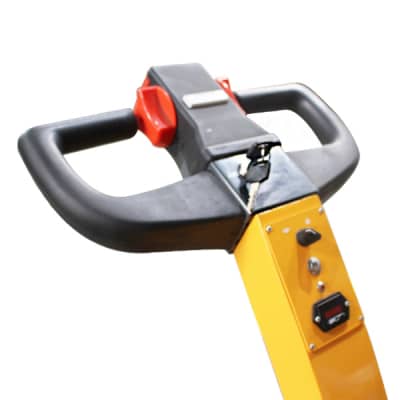
Operation is typically straightforward, with intuitive controls that allow precise manoeuvring in tight spaces. Some models can be configured for remote operation, allowing the operator to maintain visibility and positioning around the load. This improves safety and control, particularly when navigating complex environments or handling large items.
When should you use an electric tug?
Electric tugs are used when heavy wheeled loads need to be moved safely and efficiently without manual effort or lifting equipment. They are particularly suited to applications where loads are frequently repositioned, transported over short to medium distances, or handled in areas where forklifts are impractical.
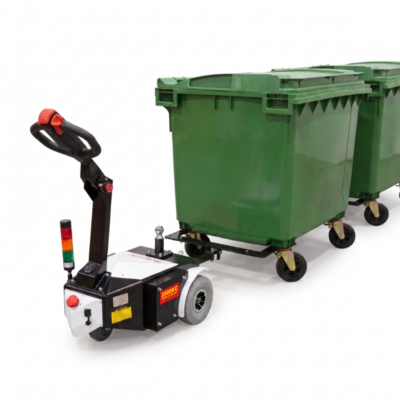
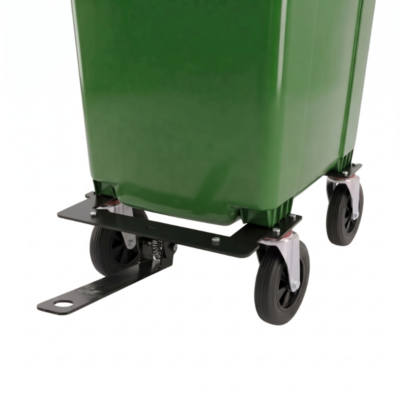
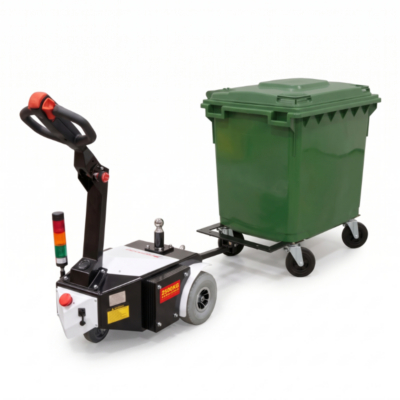
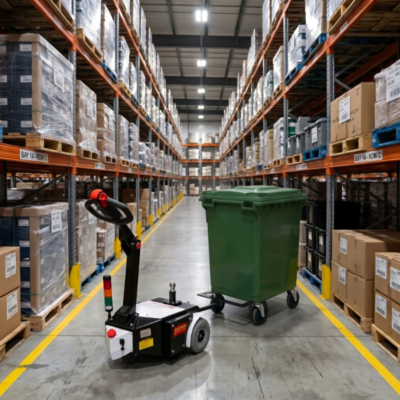
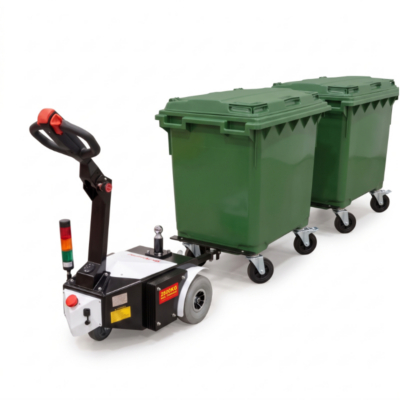
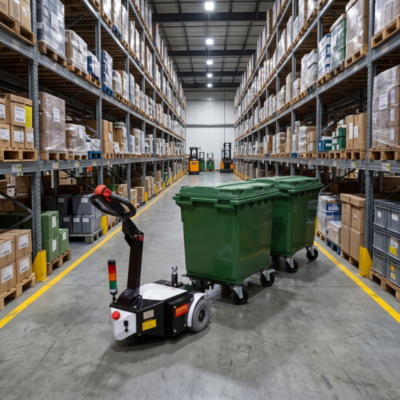
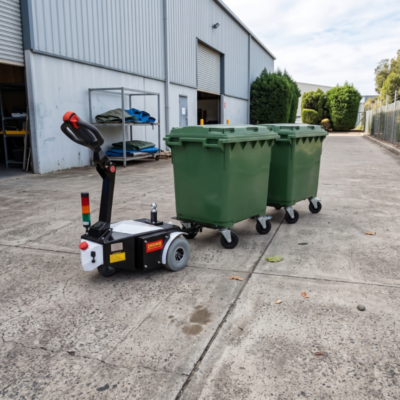
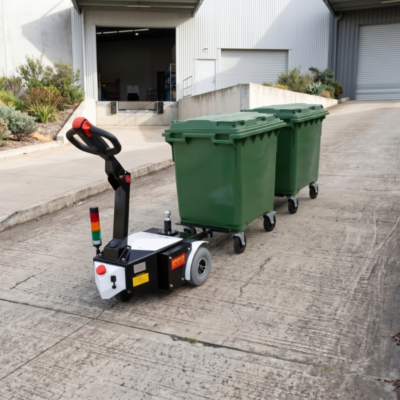
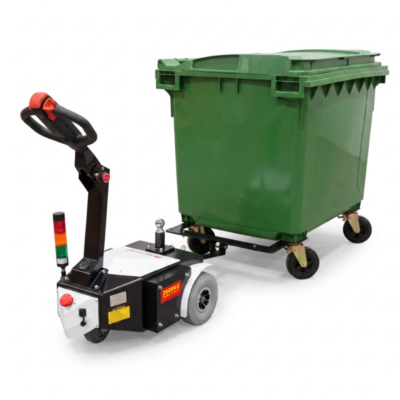
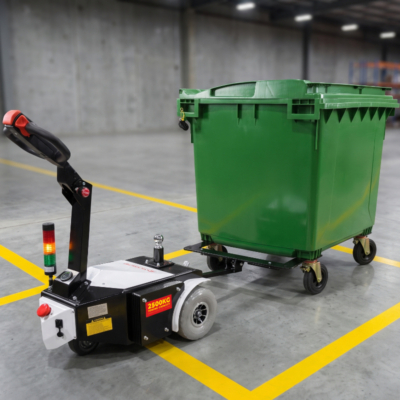
Common use cases include moving production equipment, transporting materials between workstations, handling roll cages in logistics operations, and repositioning heavy items in maintenance or facilities environments. In waste handling and site services, an electric tug can be used as a bin tug, allowing operators to safely move large waste bins across warehouses, production sites, and commercial facilities.
They are also suitable for both indoor and selected outdoor applications, depending on operating conditions and surface type.
If your operation involves repeated manual handling of heavy loads on wheels, an electric tug can significantly improve workflow and reduce strain on operators. They are also effective in environments where space is limited, as their compact footprint allows for precise movement without requiring large turning areas.
Why use an electric tug instead of manual handling or forklifts?
Electric tugs provide a practical alternative to both manual handling and larger equipment such as forklifts. Manual handling of heavy loads increases the risk of injury and limits productivity, particularly when loads are moved frequently. Electric tugs remove the need for physical effort, allowing operators to move loads safely and consistently.
Compared to forklifts, electric tugs are more suited to moving wheeled loads rather than lifting pallets. They are compact, easier to operate in confined spaces, and do not require the same level of infrastructure or clearance. This makes them a suitable option for facilities where space, access, or workflow constraints limit the use of larger equipment.
Electric tugs also allow for more controlled movement, reducing the risk of damage to goods or surrounding equipment. In applications such as waste handling, using your electric tug as a dedicated bin tug to improve both safety and efficiency when moving heavy bins.
What are the benefits of using an electric tug?
Electric tugs are designed to improve efficiency, safety, and consistency in material handling operations. By reducing the need for manual force, they help minimise operator fatigue and lower the risk of workplace injuries associated with moving heavy loads. This is particularly important in environments where repetitive handling is required.
From an operational perspective, electric tugs allow faster and more controlled movement of loads. This improves workflow efficiency and reduces downtime caused by manual handling limitations. Their compact design also enables better use of available space, especially in congested or confined work areas.
Battery-powered operation means they can be used indoors without emissions, making them suitable for enclosed environments. In addition, their versatility allows a single unit to be used across multiple applications, including roles such as a bin tug for waste handling, depending on the type of loads being handled. This flexibility supports long-term value across a range of industries and use cases.
Electric Tugs for Industrial, Warehouse & Commercial Use
Richmond supplies a broad range of electric tugs for industrial, warehouse and commercial material handling applications. These powered tugs and electric tow tugs are used to move heavy wheeled loads safely, reduce manual handling risks and support more efficient operations across warehouses, workshops, logistics operations and manufacturing plants.
Electric tugs are designed for controlled load movement where trolleys, carts, bins, roll cages or equipment need to be moved without relying on forklifts or high-effort manual pushing. They are widely used by operators in logistics centres, hospitals, retail back-of-house areas and industrial sites where safety, manoeuvrability and load control are important.
Richmond’s range supports applications where floor conditions vary, space is limited or operator strain needs to be reduced during everyday transport tasks.
Safer Load Movement for Warehouses, Workshops & Commercial Workplaces
Electric tugs provide a practical solution for equipment movement, stock handling, machinery positioning and routine transport tasks across busy workplaces. A single operator can move heavy trolley-based or wheeled loads with greater control, helping improve workplace efficiency while reducing the physical effort associated with manual handling.
These units are well suited to warehouses, workshops, manufacturing plants, logistics centres and commercial workplaces where consistent load movement is required. They are especially useful in areas with ramps, long travel paths, narrow aisles or shared pedestrian zones where controlled towing is preferred over larger material handling equipment.
Product Types by Application
Pedestrian Electric Tugs
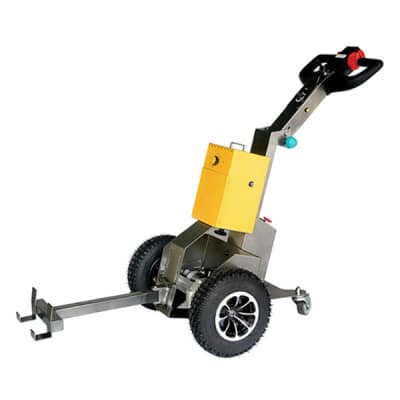
Pedestrian electric tugs are compact, walk-behind units designed for controlled movement of wheeled loads in confined or shared work areas. They allow operators to tow trolleys, carts and equipment with reduced physical effort while maintaining good visibility and directional control.
These models are commonly used in warehouses, hospitals, production areas and service corridors where precision and safety are essential. Their compact format makes them well suited to indoor environments where manoeuvrability and operator confidence are important.
Lithium-Powered Electric Tugs
Lithium-powered electric tugs are designed for workplaces that need reliable performance with reduced downtime between charges. They support regular use across shift-based operations where fast turnaround and efficient battery management are important.
These units are widely used in logistics operations, manufacturing plants and retail facilities where equipment needs to remain available throughout the day. Lithium-powered models are a practical option for businesses seeking efficient load movement across high-use environments.
Heavy Duty Electric Tow Tugs
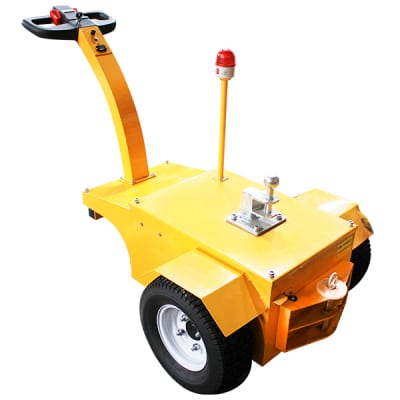
Heavy duty electric tow tugs are built for moving larger and heavier loads over longer distances within industrial facilities and distribution centres. They are suited to towing applications where load stability, traction and controlled acceleration are required.
These models are commonly used in manufacturing, warehousing and large industrial sites to move heavy carts, component dollies, stock trolleys and production equipment. Their higher towing capability supports safer transport of loads that would otherwise require multiple operators or larger handling equipment.
Compact Electric Tugs
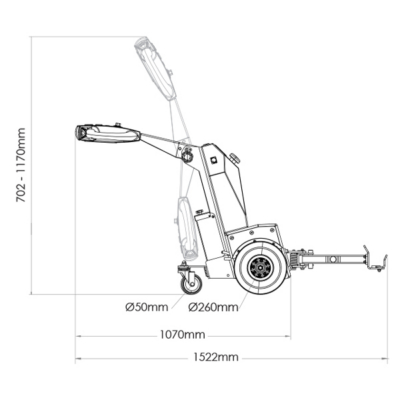
Compact electric tugs are designed for tight aisles, narrow passages and restricted workspaces where larger tow equipment is impractical. Their smaller footprint supports easy handling in environments where turning space is limited.
They are a strong fit for retail backrooms, healthcare facilities, commercial buildings and smaller warehouses where day-to-day load movement still needs to be managed safely. Compact models help maintain efficiency without taking up unnecessary floor space.
Specialty Product Options
Electric Bin Tugs
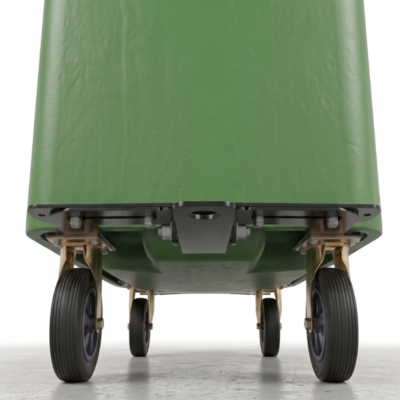
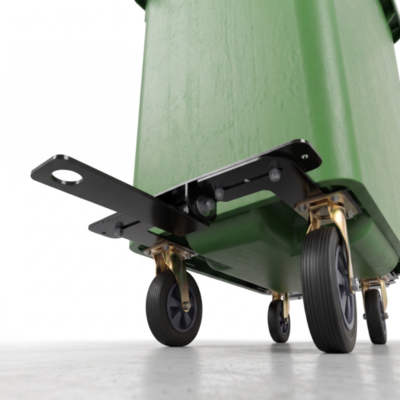
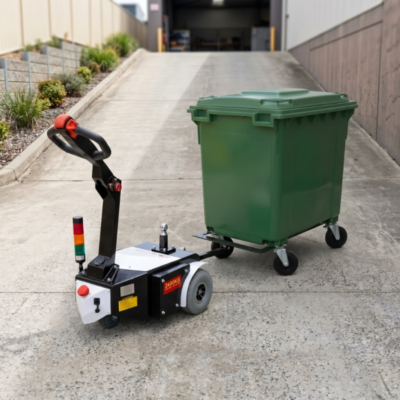
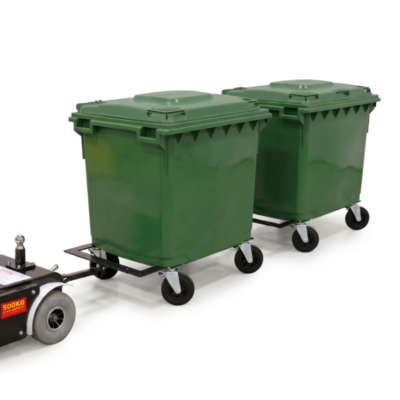
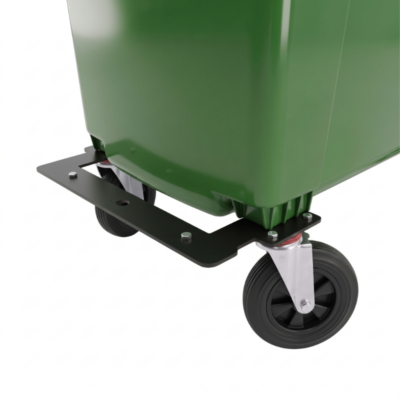
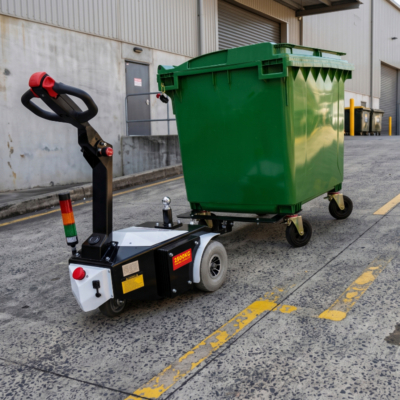
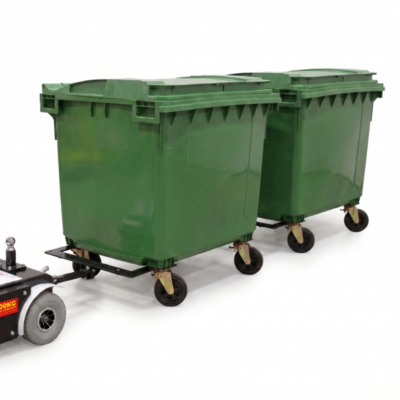
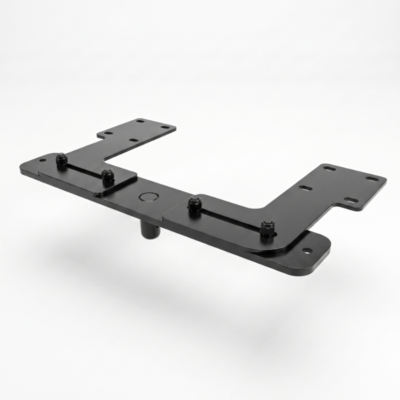
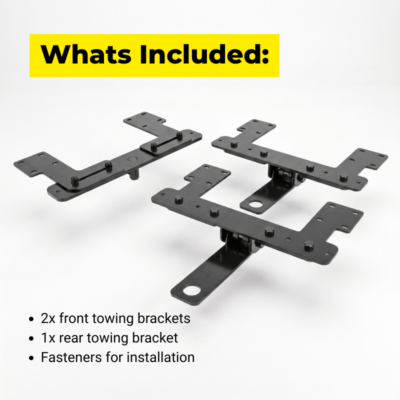
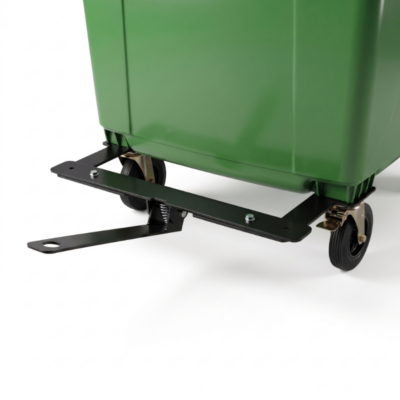
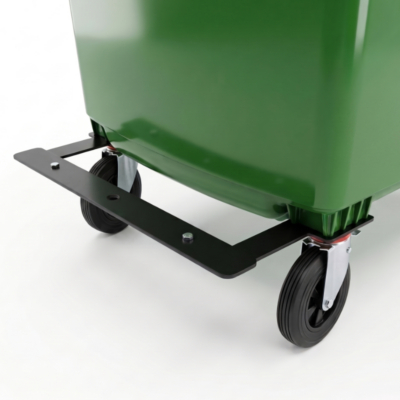
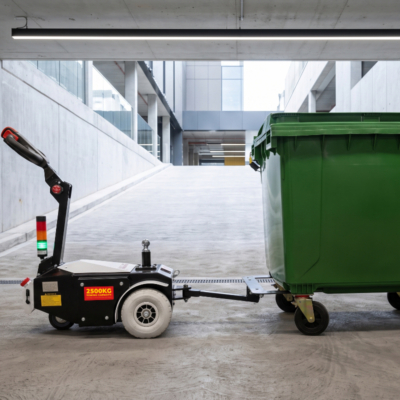
Electric bin tugs are designed for moving wheelie bins and waste containers safely across large facilities, service areas and outdoor paths. They reduce operator strain during waste handling tasks and improve control when moving multiple bins or heavy containers.
These units are particularly useful on ramps, long transport routes and typical uneven facility floor surfaces where manual handling can create safety risks. They are commonly used in hospitals, shopping centres, industrial sites and facilities management applications.
Electric Tugs for Trolleys & Carts
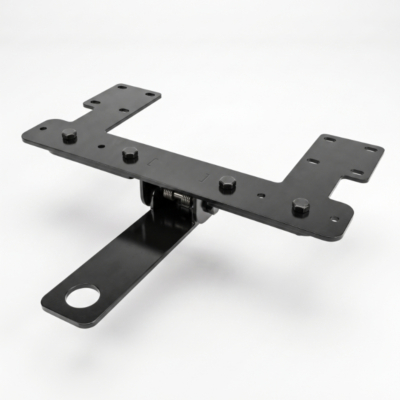
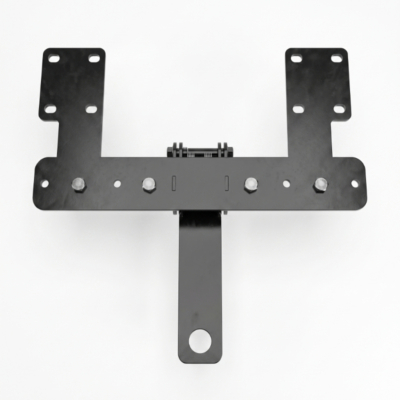
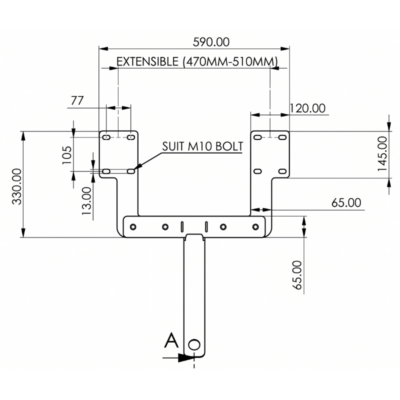
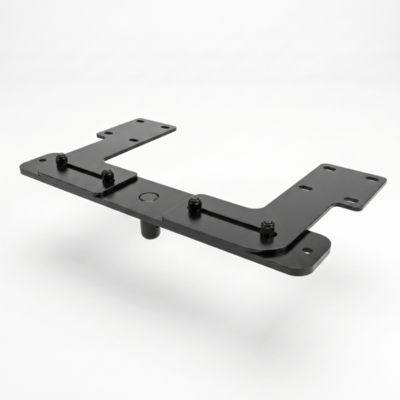
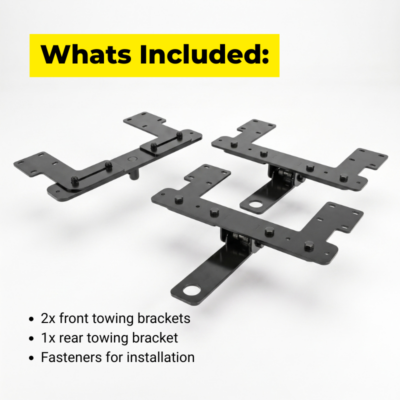
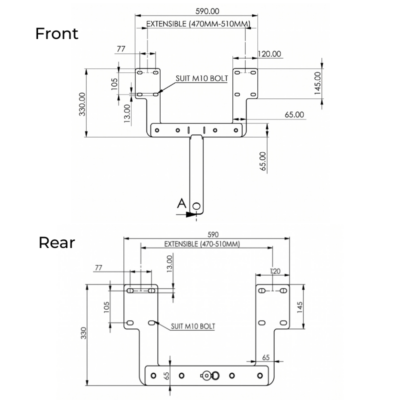
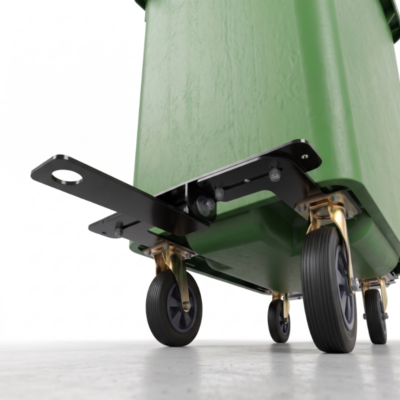
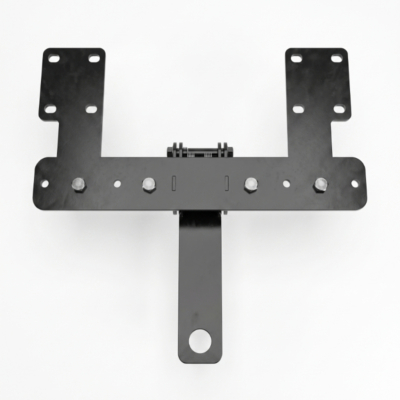
Electric tugs for trolleys and carts can be configured with different hitching systems to suit a wide range of trolley designs, roll cages, stock carts and service carts. This allows one tug to support repeatable towing tasks across varied operations.
They are widely used in warehouses, production environments and commercial facilities where multiple trolleys can be moved in a single trip. This improves transport efficiency, reduces manual effort and supports safer handling of routine loads.
Custom Electric Tug Solutions
Custom electric tug solutions are available for applications with specific load requirements, operating conditions or connection needs. Richmond can configure units with specialised hitching systems, towing arrangements and application-specific features.
These solutions are suited to businesses that need equipment matched to unique workflows, specialised carts or challenging site conditions. With in-house engineering and manufacturing support, Richmond can assist with practical tug designs for demanding industrial and commercial use.
Controlled Operation for Tight or Shared Work Areas
Electric tugs are well suited to environments where space is limited and safe movement around people, equipment or fixed infrastructure is important. Their controlled drive systems help operators manage starts, stops and directional changes with less sudden movement than manual pushing.
This makes them useful in hospitals, retail service areas, warehouses and production facilities where operator safety and load control are priorities. They help improve handling consistency in spaces where forklifts or pallet jacks are unnecessary or impractical.
Applications by Industry
- Healthcare: Electric tugs for moving linen trolleys, meal carts, medical equipment and waste bins through corridors, lifts and service areas.
- Manufacturing & Workshops: Electric tow tugs for moving heavy components, production carts and materials between workstations and assembly areas.
- Warehousing & Logistics: Powered tugs for roll cages, stock carts and wheeled loads in narrow aisles, distribution centres and dispatch zones.
- Retail & Commercial: Compact electric tugs for stock replenishment, back-of-house transport and movement of goods from storage to shop floors.
- Waste Management & Facilities Services: Electric bin tugs for transporting multiple bins across large sites, ramps and uneven facility surfaces.
- Industrial Sites: Heavy duty electric tugs for controlled movement of equipment, loaded trolleys and specialised wheeled assets in demanding operating environments.
Industrial Equipment Solutions Across Australia
Richmond supplies a wide range of electric tugs across Australia for industrial, warehouse and commercial applications. Our range includes compact, pedestrian and heavy duty models designed to support safer material handling and reliable load movement in demanding workplaces.
With Richmond expertise and in-house engineering, we can assist with product selection, specialised hitching systems and custom engineering solutions for site-specific requirements. Whether you need a standard electric tug or a configured solution for unique trolley or cart handling tasks, Richmond is a leading supplier for Australian businesses.