




Frequently Asked Questions
What are load skates and how are they used in industrial environments?
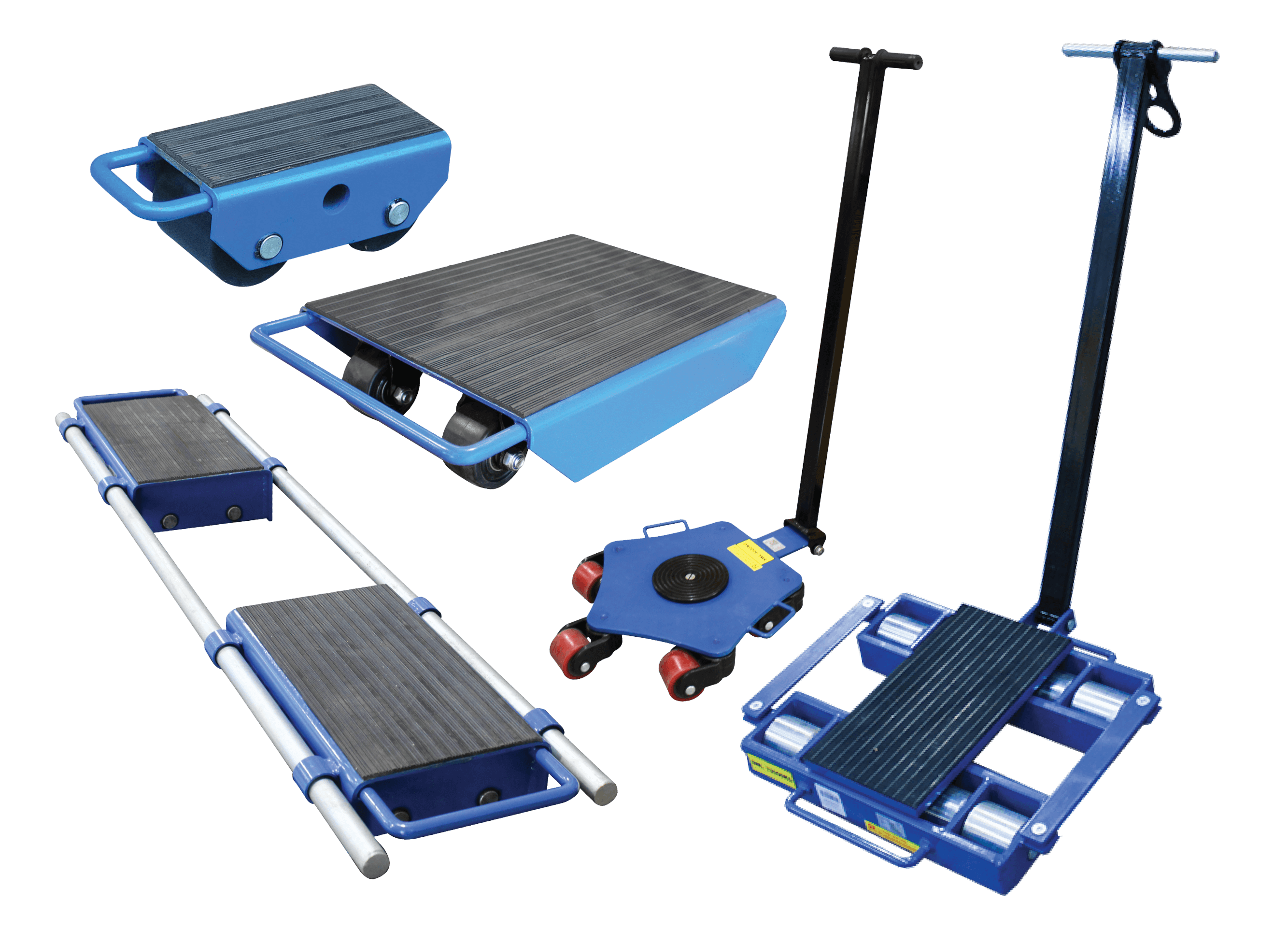
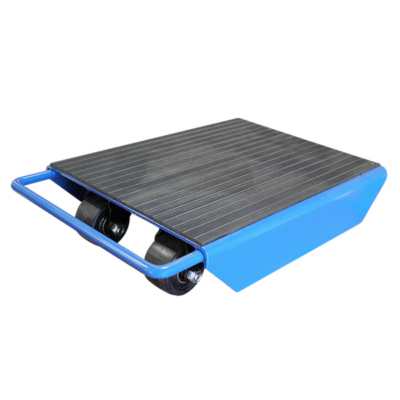
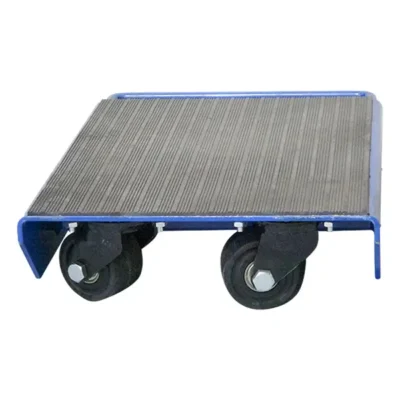
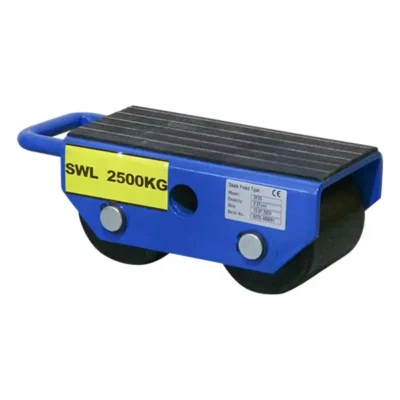
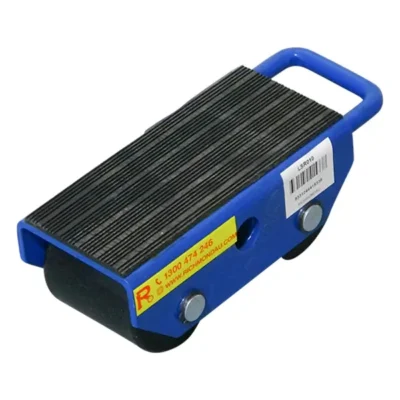
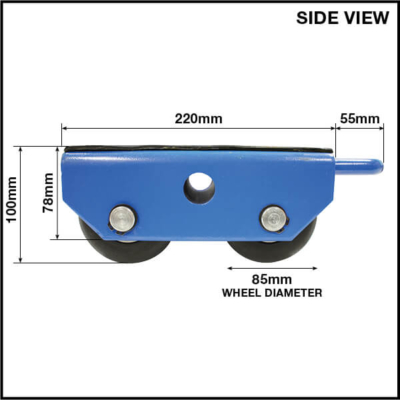
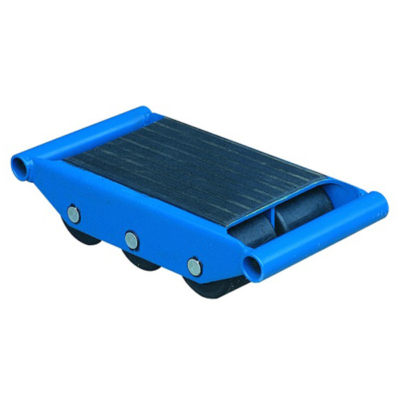
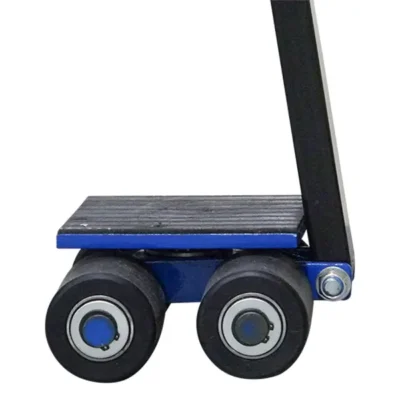
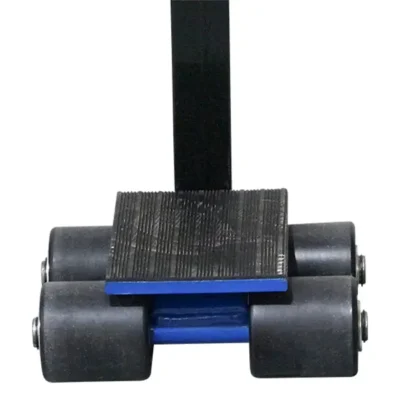
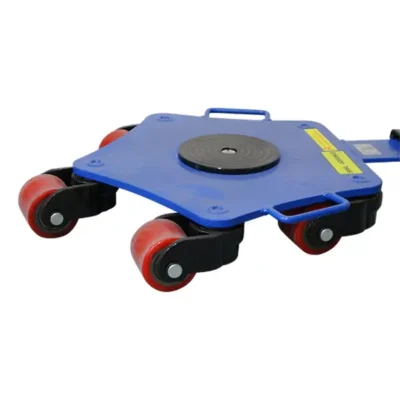
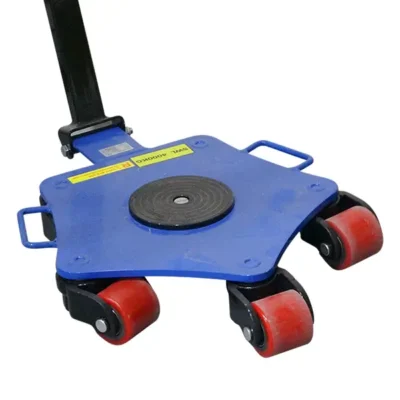
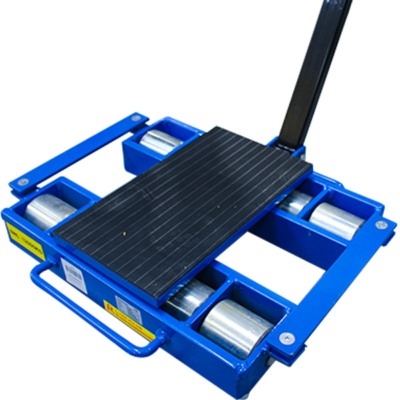
Load skates are specialised materials handling devices designed to move heavy machinery and equipment across flat surfaces. They use a low-profile steel frame with multiple rollers that distribute the weight of the load, allowing large machines to be relocated without cranes or forklifts. Load skates are commonly used during machinery installation, factory relocations, maintenance shutdowns and production line reconfiguration. By spreading the load across several rollers, they reduce floor pressure and allow controlled movement of heavy assets. In many industrial environments, load skates are used together with hydraulic toe jacks, steering handles and towing equipment to reposition machinery safely and accurately.
How do you calculate the correct load skate capacity for a job?
Selecting the correct load skate capacity is essential when moving heavy equipment. The first step is determining the total weight of the machinery or asset being relocated, including any attached tooling or components. Once the total load weight is known, it can be divided across the number of skates supporting the equipment. Because machinery often has an uneven centre of gravity, weight distribution is rarely perfect. For this reason, engineers typically recommend selecting load skates with a combined capacity at least 25 percent higher than the total load weight. This safety margin helps account for uneven loading, floor irregularities and movement during transport.
What is the difference between nylon and polyurethane rollers on load skates?
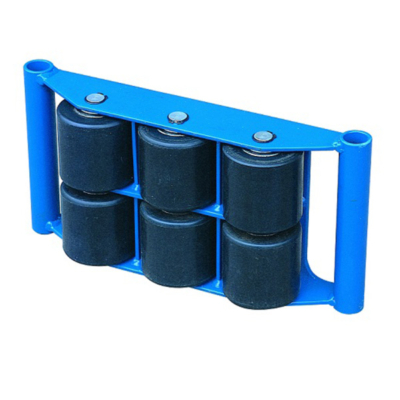
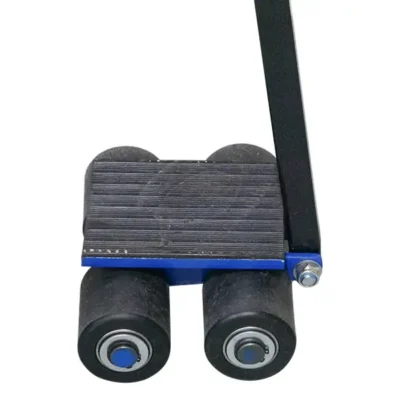
Nylon rollers are widely used on load skates because they are extremely hard and provide very low rolling resistance. This allows heavy machinery to move more easily across smooth surfaces such as concrete or epoxy floors. Nylon also resists deformation under heavy static loads, helping prevent flat spots when equipment remains on the skates for extended periods. Polyurethane rollers are softer and designed to offer improved floor protection. They absorb vibration and are less likely to mark finished surfaces such as sealed concrete, tiles or timber floors. For environments where floor protection is important, load skates can be sourced or engineered with polyurethane rollers.
Does using polyurethane rollers reduce the load capacity of a load skate?
Polyurethane rollers can sometimes support slightly lower loads than nylon rollers when both rollers share the same dimensions. This is because polyurethane is a softer material and compresses more under heavy weight. When compression occurs, the contact area with the floor changes and the material experiences higher internal stress compared with harder materials such as nylon or steel. However, this does not mean polyurethane skates cannot handle heavy loads. Engineers can increase roller diameter, width, quantity or polyurethane hardness to achieve the required capacity. Many polyurethane load skates are designed specifically to balance floor protection with the load rating required for industrial machinery movement.
Why is a three-point load skate configuration often recommended?
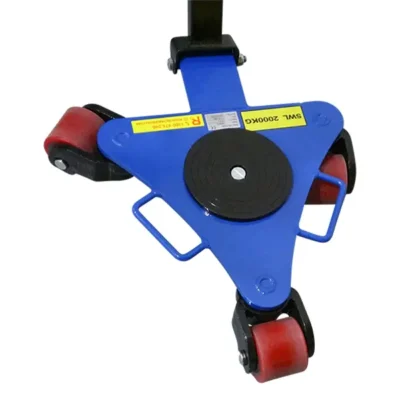
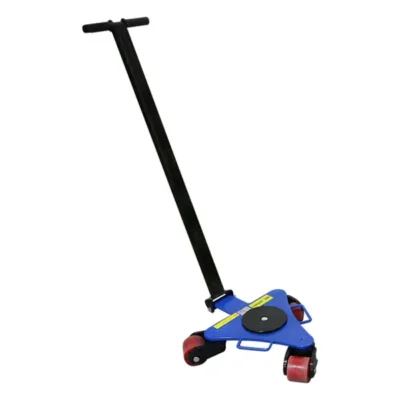
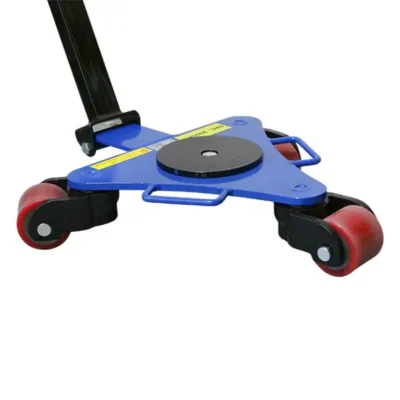
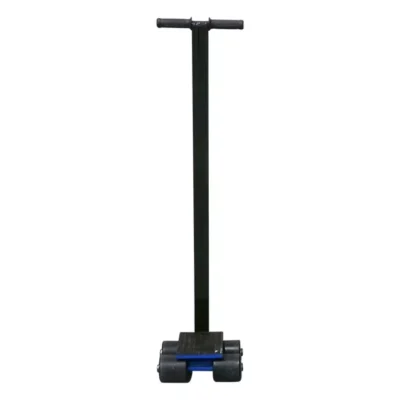
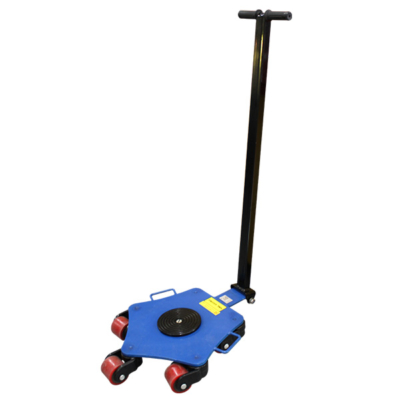
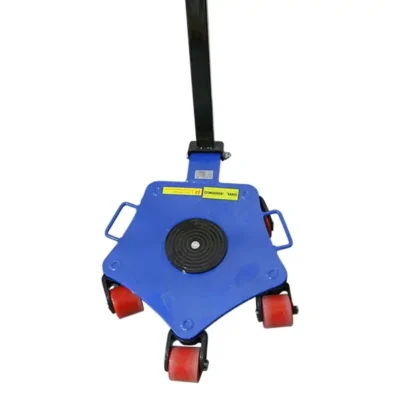
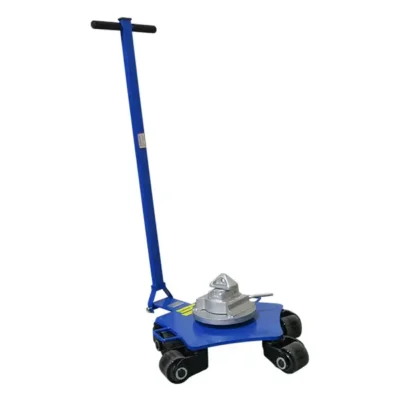
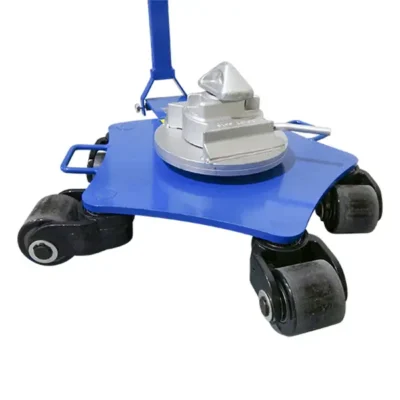
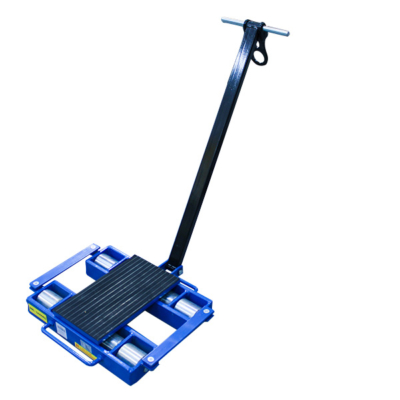
A three-point load skate configuration is commonly recommended for moving heavy machinery because it provides excellent stability. In this arrangement, one steerable load skate is positioned at the front of the load while two fixed load skates support the rear.
For example, a typical Richmond setup could include one
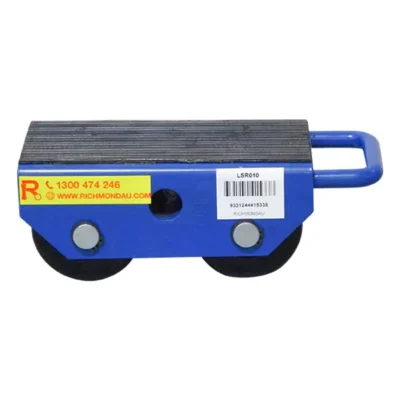
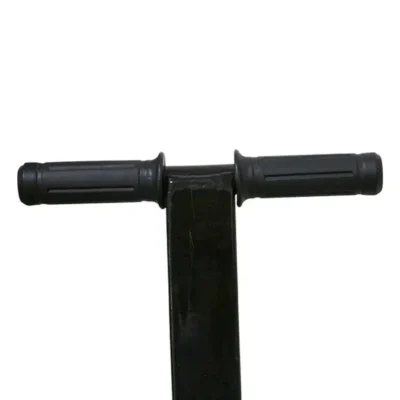
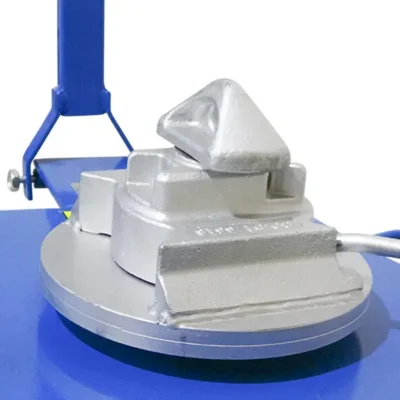
- LSR012 2 Tonne Steerable Load Skate at the front, paired with two LSR010 2.5 Tonne Load Skates at the rear.
For heavier applications, you might use one
- LSR013 4 Tonne Steerable Load Skate at the front with two LSR018 6 Tonne Load Skates at the rear.
This type of configuration is widely used because three points always create a stable plane, helping all skates maintain contact with the floor even if the surface has slight irregularities. The front steerable skate provides directional control, while the two rear skates carry the load and allow smooth movement. By comparison, a four-point setup can become less stable on uneven floors or when weight distribution shifts during transport. If one skate loses contact with the ground, it can move unexpectedly, increasing the risk of load movement.
What floor surfaces are suitable for operating load skates?
Load skates perform best on hard, smooth and level surfaces. Typical operating environments include concrete warehouse floors, epoxy-coated factory floors and reinforced industrial slabs designed to support high point loads. Smooth surfaces reduce rolling resistance and allow heavy equipment to move in a controlled manner. Surfaces such as gravel, damaged concrete, soft ground or uneven flooring are not suitable because rollers may become trapped or cause the load to shift. If the path of travel includes expansion joints or uneven sections, steel plates are often placed along the route to create a continuous rolling surface and safely distribute the load.
Do load skates require maintenance or inspection before use?
Regular inspection helps ensure load skates operate safely and maintain long service life. Before use, rollers should be checked for cracks, flat spots or embedded debris that could affect rolling performance. Dirt, metal fragments or other contaminants can increase rolling resistance and damage floor surfaces. Bearings should rotate freely without noise or excessive resistance, and the steel frame should be inspected for bent components or damaged welds. Proper storage is also important. Keeping load skates in a dry environment and protecting the rollers from chemicals, moisture or heavy impacts helps maintain reliable performance during future machinery relocation or installation work.
Industrial Load Skates for Heavy Machinery Moving
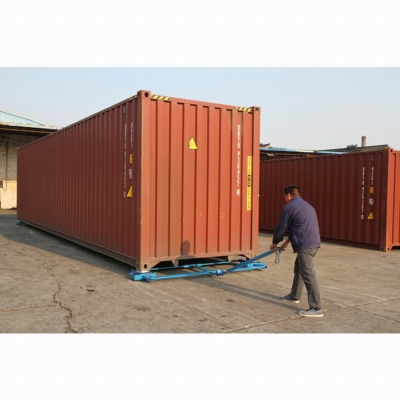
Richmond supplies industrial load skates designed for safely moving heavy machinery, plant equipment and industrial components across warehouses, workshops and manufacturing plants. These machinery moving skates and heavy machinery skates help distribute load weight across multiple rollers, allowing large equipment to be repositioned with greater control during relocation, installation and maintenance work.
Load skates are widely used by maintenance teams, machinery installers, engineering contractors and industrial operators who need a practical way to move heavy equipment across smooth floors. In warehouses, logistics operations, industrial sites and workshops, they support safer equipment movement while reducing manual handling risks.
Richmond load skates are suitable for short-distance transport tasks where controlled movement and stable load support are essential.
Machinery Moving Skates for Industrial Equipment
Richmond load skates are built for controlled movement of extremely heavy machinery across smooth industrial floors. By spreading the load across multiple rollers, these systems allow operators to reposition equipment safely while improving control during transport and machinery positioning tasks.
They are commonly used during factory relocations, machinery installation projects, equipment replacement and maintenance shutdowns. In warehouses, workshops, manufacturing plants and logistics centres, load skates help improve workplace efficiency when moving presses, generators, fabrication machinery and other heavy plant equipment.
Product Types by Application
Adjustable Load Skates
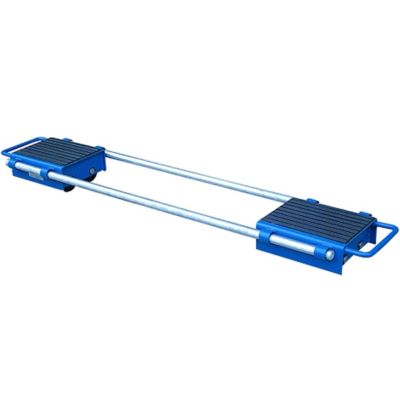
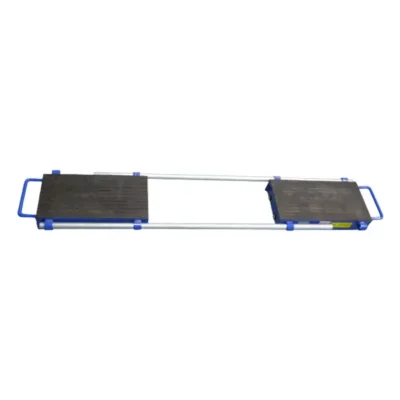
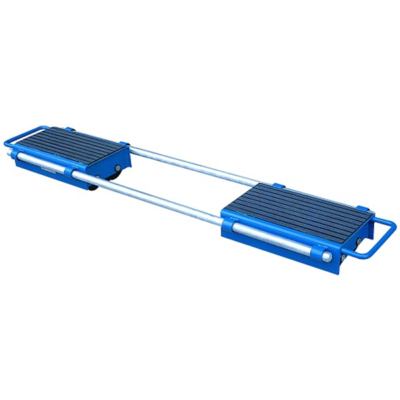
Adjustable load skates allow operators to move heavy machinery using multiple skate units positioned under the load. Equipment is typically lifted using a jack or roller crow bar before the skates are placed underneath, creating a flexible system for different load shapes and sizes.
These skates are commonly used during machinery installation, plant relocation and maintenance operations in manufacturing plants, engineering workshops and industrial facilities. Their adjustable setup supports varying weight distribution and helps operators manage equipment movement more efficiently.
Load Skate Kits
Load skate kits provide a complete machinery moving solution for transporting heavy equipment across short distances. These kits typically include multiple rear skates together with a steerable front unit, allowing directional control when moving large industrial loads.
Supplied in a durable transport case with integrated wheels, load skate kits are easy to move around workshops, warehouses and job sites. They are widely used by machinery installers, maintenance teams and engineering contractors who need a practical all-in-one system for relocation work.
Heavy Duty Machinery Skates
Heavy duty machinery skates are designed for extremely high load capacities and demanding industrial environments. They feature robust steel frames and heavy duty rollers to support the safe transport of large machinery, plant equipment and industrial components.
These skates are commonly used in manufacturing plants, workshops and heavy industry where large equipment must be repositioned during installation, servicing or production line changes. Their high-capacity construction makes them suitable for challenging machinery moving applications.
Specialty Product Options
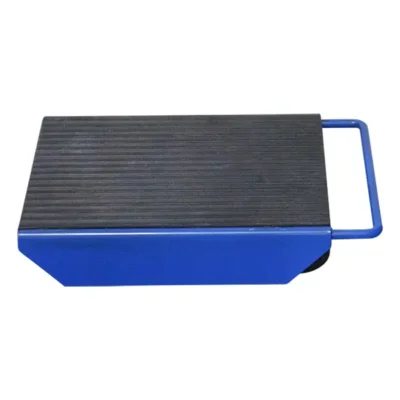
Rubber Non-Slip Load Platforms
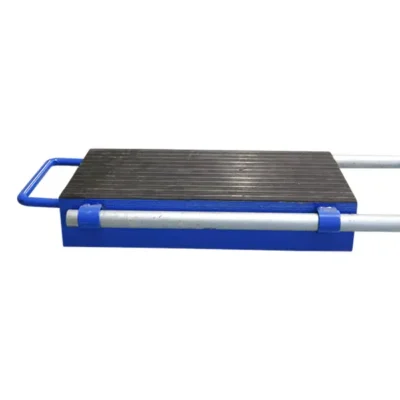
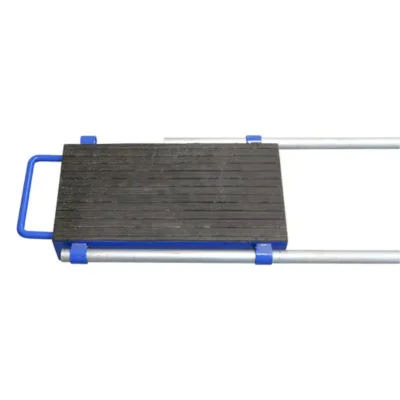
Rubber non-slip load platforms help stabilise machinery during transport by improving grip between the skate and the load. This helps reduce the risk of equipment shifting while also protecting the base of the machine or component being moved.
These platforms are particularly useful when relocating precision equipment, uneven loads or machinery with smooth base surfaces. In workshops, factories and engineering environments, they provide added control during careful positioning tasks.
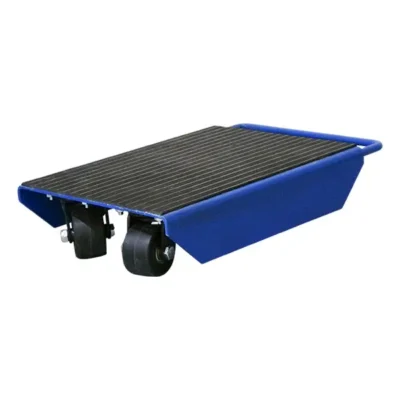
Steerable Front Skate Systems
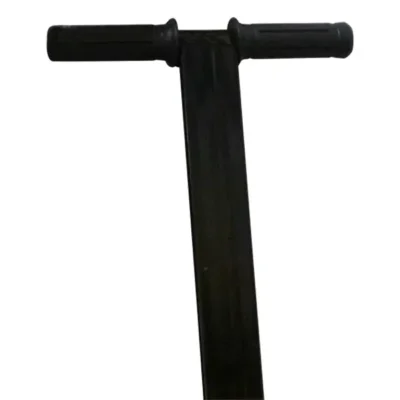
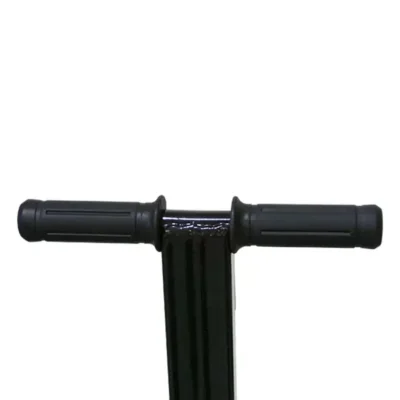
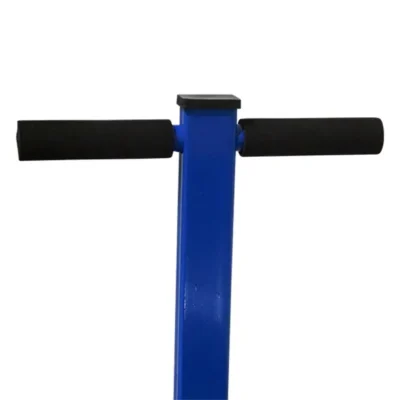
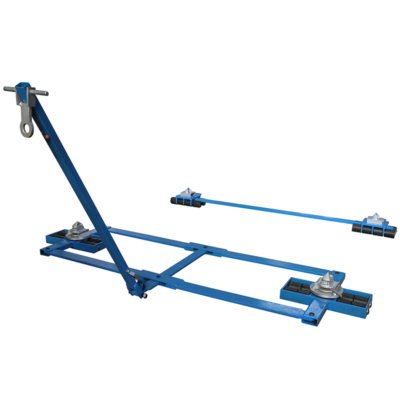
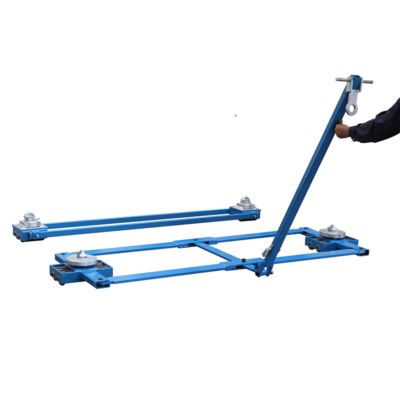
Steerable front skate systems provide directional control when transporting heavy equipment. The steering mechanism allows operators to guide machinery around obstacles, through access points and into final position with greater accuracy.
These systems are commonly used during machinery installation and factory relocation projects where precise positioning is required. They are well suited to warehouses, manufacturing plants and industrial sites with tighter layouts or complex transport paths.
Heavy Duty Roller Assemblies
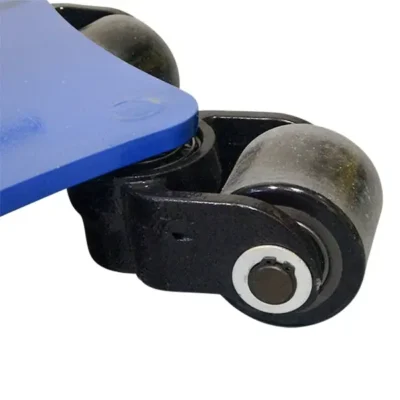
Heavy duty roller assemblies are designed to support high loads while maintaining smooth movement across suitable industrial floor surfaces. The rollers distribute weight evenly to reduce floor pressure and improve transport stability during machinery movement.
Built for long service life in industrial environments, these assemblies are suited to regular equipment relocation tasks in workshops, logistics operations and manufacturing plants. They support reliable performance where repeated heavy load movement is part of ongoing operations.
Applications by Industry
- Warehousing & Logistics: Machinery moving skates for repositioning plant equipment, infrastructure and heavy operational assets.
- Manufacturing & Engineering: Load skates for relocating presses, CNC machines, fabrication equipment and production machinery.
- Maintenance & Facility Management: Heavy machinery skates used during servicing, upgrades, shutdowns and equipment replacement.
- Construction & Industrial Projects: Machinery moving systems for positioning generators, compressors and other plant equipment.
- Machinery Installation Contractors: Load skate kits for transporting and positioning heavy industrial machines during installation projects.
Industrial Equipment Solutions Across Australia
Richmond supplies load skates and heavy machinery moving equipment to businesses across Australia. Our wide product range supports the safe relocation of heavy equipment in warehouses, factories, workshops and construction environments.
With Australian supply, Richmond expertise and in-house engineering support, we provide practical solutions for moving and positioning heavy machinery safely and efficiently. For specialised requirements, our team can assist with selecting the right load skate configuration for unique equipment, load conditions and operational needs.